British Indian Ocean Territory coat of arms with motto ‘Limuria is in our trust’
Between 2022-2023, I curated and wrote a series of articles entitled Conflict, Post-Colonialism and Conservation for the online journal ECOS whose conclusion touched upon the historical and ongoing controversy surrounding the British Indian Ocean Territory, more widely known as the Chagos Archipelago. Following election of a Labour government in 2024, plans were announced to transfer sovereignty of the Chagos Islands, including one of the world’s largest Marine Protected Areas, to Mauritius. This arrangement was previously supported by the United States government (Biden administration), notwithstanding the presence of a strategically important joint US-UK military base on the island of Diego Garcia. The former inhabitants of this and other Chagos Islands (known as Chagossians) were forcibly removed by the British government between 1968-73 to enable development of the military base. In the context of 20th century de-colonisation by Britain and other Western countries, together with the historical claim of Mauritius to the Chagos Archipelago, onging control of this by ‘colonial powers’ was and remained highly contentious.
To signal a new and progressive approach to foreign policy, the Starmer government – prematurely and ill-advisedly in the views of many UK and international experts on the complex issues raised – embarked upon the legislative process of ceding sovereignty of the Chagos to Mauritius through the Diego Garcia Military Base and British Indian Ocean Territory Bill This bill is currently stalled in the House of Lords, while controversy around the future of the Chagos Islands and Marine Protected Area continues to grow. Some objections to the proposed UK/Mauritius Treaty are summarised by Powys-resident William Hague (Baron Hague of Richmond) in a recent Times article as follows:
“First, it is a poor deal for UK taxpayers, negotiated on the assumption there was no alternative, with costs running to billions over time.
Second, it ignores the wishes of the Chagossians, the people Britain removed from their homes, and who overwhelmingly oppose the treaty in the UK.
Third, the diplomatic calculus has shifted again, and the agreement still lacks the necessary US political backing in practice”.
While interventions by US president Donald Trump in the Chagos controversy have been highly publicised, key environmental objections to the proposed treaty have received rather less coverage. However, another recent article by Oxford University Law Professor Richard Ekins in The Critic provides a helpful summary of the proposed UK/Mauritius Treaty’s shortcomings for the future of the Marine Protected Area based on a research paper by British centre-right think tank Policy Exchange. Meanwhile, the increasingly complex UK political and geopolitical context surrounding the future of the archipelago poses a growing challenge for organisations, such as the Chagos Conservation Trust, and scientists involved in vital work to protect and restore its globally significant marine and terrestrial ecosystems. The Chagos controversy embodies the historical and contemporary intersectionality of geopolitics, natural resources and nature conservation. This has been usefully conceptualised as ‘conservation geopolitics‘ and it is a theme to which I very much hope to return in the future with critical perspectives on emerging forms of neo-colonialism, including the so-called ‘Donroe Doctrine’ as described in a further recent article on the Chatham House website.*
Welsh Severn Valley: Caersws Basin looking north from the river’s floodplain
SEVERN VALLEY WATER MANAGEMENT SCHEME 2026 CONSULTATION SUBMISSION
The 21st century has been notable for a series of major flood events along the River Severn, impacting land and communities from Powys to its estuary in Gloucestershire. While the Severn Valley Water Management Scheme (SVWMS) is focussed on upper catchment settlements between Llanidloes and Shrewsbury, it is important to acknowledge the larger context. Although increased and more unpredictable rainfall (including periods of drought) linked to climate change is the salient cause of flooding, land management and urban development are also significant factors.(1) The following submission takes forward a discussion from March 2021 in the form of a blog entitled Severn Valley Water Management Options: from Re-engineering to Rewilding made available to the Environment Agency and other parties at the time.(2) While the present response welcomes the extensive public and stakeholder engagement, together with technical assessments – notably a landmark ‘Adaptation Pathways’ report last year – undertaken since 2020, key challenges remain around implementation of SVWMS.(3) Among these are finding a sustainable balance between ‘nature-based solutions and engineered interventions’, as highlighted by a major landholders group, and funding. (4)
This submission is structured as follows:
Background to present SVWMS Concept and Components
Catchment-based Approach and Demonstrator Projects
Severn Valley Flood Alleviation Water Storage Area Options
The Case for ‘Semi-Rewilding’ of Severn Valley Floodplains
1. Background to present SVWMS Concept and Components
A June 2009 pre-feasibility report (Severn Valley Flood Risk Management Scheme -Phase 2) prepared for the Environment Agency by consulting engineers Jacobs provides some background to the SVWMS which has emerged since 2020.(5) It is noteworthy that the study area for the earlier scheme was ‘the river Severn’s natural floodplain from the River Vyrnwy confluence…to Worcester,’ rather than SVWMS’ upper catchment focus. The 2009 report was also based on the assumption that ‘… a flood control structure and dam, across the River Severn immediately upstream of Shrewsbury could be potentially viable.’ This possible scheme was given momentum by Shropshire County Council who suggested it might ‘be integrated with the Shrewsbury North West Relief Road (Relief Road), which was crossing the Severn valley at a location near the proposed structure.’ (see above image). Initially, the SVWMS that emerged in 2020 was, to use Jacobs’ expression, a ‘resurrection’ of the integrated dam and relief road option. However, the contentious nature of both components, particularly combined, together with serious financial viability concerns, meant neither progressed despite costly feasibility work.
2. Catchment-based Approach and Demonstrator Projects
A predecessor to what became known locally as the ‘Jacobs Scheme’ was the ‘Upper Severn Integrated Flood Relief and Wet Washlands Scheme (Wet Washlands Scheme),’ mentioned in the 2007 Shropshire Historic Landscape Character Assessment Final Report.(6) The report’s conclusion refers to an ‘Upper Severn Wet Washlands Group’ convened ‘to consider the feasibility of establishing wet washlands in the area.’ It notes that: ‘In 2003 EA drew up a long list of potential washlands and asked USWWG members for their views on what the likely environmental impact would be.’ The Wet Washlands Scheme seems to anticipate the broader catchment-based approach adopted by SVWMS in 2021. Described as ‘a wide programme of water management interventions that will be implemented across the Upper Severn Catchment,’ in the consultation linked to publication of a Sustainability Appraisal Scoping Report, SVWMS by now encompasses nature-based demonstrator projects and engineering options.(7)
3. Severn Valley Flood Alleviation Water Storage Area Options
The preceding visualisation of a water storage area was used in a November 2025 Powys Council report on SVWMS discussed in various media coverage at the time.(8,9) This discussion suggested a possible location for the type of temporary storage area under consideration might be a section of the River Severn floodplains between Welshpool and Meifod, something confirmed in subsequent Powys consultations. Environment Agency officials at a Caersws event made comparisons with the Leeds Flood Alleviation Scheme which, albeit in a rather different context, combines engineered water storage and linear defences with catchment-based natural flood management.(10) A challenge for retaining flood water upstream between Llandinam and Caersws, another possible storage location identified, may be a combination of geology and fluvial geomorphology. Information is currently sought about recent work on these, as the main online source is a Joint Nature Conservation Committee report from the 1990s.(11) This report includes a chapter on Fluvial Landforms and Processes in Wales, with sections on the Upper River Severn between Dolwen and Penstrowed, and another on the River Severn between Welshpool and its confluence with the Vyrnwy. Flood waters typically move rapidly downstream from Llandinam-Caersws gravel beds, but as the names Welshpool /Y Trallwng (Welsh for ‘muddy pool’) suggest, can remain for long periods in this vicinity.
Evolution of water management schemes for the Upper Severn since the early 2000s imply what might be described as 3 non-exclusive ‘infrastructure’ scenarios: high (eg Shrewsbury combined dam and relief road); medium (wet washlands/water storage areas); and large-scale floodplain restoration linked to landscape recovery (see below). Although Strategic Environmental Assessment has become widely used over a similar timeframe for major programmes such SVWMS, SEA has not always been embedded in the process (sometimes called ‘optioneering’) whereby preferred options are selected, often leading to key challenges for their implementation. With this important caveat, it is nevertheless useful to review the emerging SVWMS using a basic SWOT analysis
Strengths
Over the past 5 years, SVWMS has brough together a strategic cross-border partnership led by the EA, with Natural Resources Wales, Shropshire and Powys Councils, the River Severn Partnership and National Flood Forum, with Arup as lead technical partner. The concept of ‘adaptation pathways’, defined as a ‘specific planning approach involving sequencing potential actions to respond to changing future risks and opportunities,’ provides a helpful way of framing the 3 infrastructure scenarios described above.(3) EA has demonstrated public engagement and use of SEA for river basin management.(12)
Weaknesses
In seeking to be consultative and inclusive, the SVWMS process has arguably become ‘bogged down’, when there is growing urgency for all stakeholders in water management to adapt to changes in climate and seasonal rainfall. Potential interventions need to be identified for the short, medium and longer terms according to their complexity and scale. The principle of subsidiarity must determine implementation responsibilities.
Opportunities
Integration of SVWMS with a range of statutory plans and programmes opens up potential funding opportunities and increases the likelihood that preferred options will be implemented. For instance, publication of Supplementary Planning Guidance for SVWMS to use with Local Development Plans is proposed, and it may be possible to access the budgets of private utilities and the transport sector for flood alleviation. Similarly, changes to agricultural funding regimes administered by the UK and Welsh governments to support nature positive climate adaptation are likely to be beneficial, as is the increasing availability of commercial (eg insurance) and philanthropic funds for these purposes. Partnerships with scientific research institutions may both strengthen the evidence-base of SVWMS and provide access to longer-term monitoring capacity.
Threats
There is widespread competition for public money, while so-called green finance does not yet have mechanisms for monetising improvements in flood risk management. The scale and cost of ‘high’ and ‘medium’ infrastructure scenarios implied by SVWMS raise significant challenges, and have met with local opposition in previous iterations. Some technical work may be insufficiently robust to withstand rigorous public scrutiny.
5.The Case for ‘Semi-Rewilding’ of Severn Valley Floodplains
In the above context, and given ongoing assessment of possible locations for engineered water storage, it is recommended that SVWMS consider areas along the Upper River Severn where nature-based floodplain restoration programmes may be an option. A precedent for this approach is the ‘Eelscapes’ project for the Severn Vales floodplains between Tewkesbury and Gloucester, from which the above image is taken. This initiative is led by the Wildfowl and Wetlands Trust, Gloucestershire Wildlife Trust and the Environment Agency working in conjunction with over 25 landholders.(13) It has been developed as a ‘landscape recovery project’ for which UK government implementation funding became available last year.(14) Given the cross-border nature of SVWMS, Powys Severn Valley floodplains might also host a pilot. One potential location is the Upper River Severn corridor between Dolwen and Penstowed, perhaps focussed on the Caersws Basin or Caersws Valleys as identified in various Landscape Character Assessments.(11,15,16) Although the recent history of rewilding is not without controversy in Mid Wales, large-scale upland projects such as the one recently announced by Tir Natur are proceeding.(17) The Welsh Severn Valley could provide an opportunity for ‘semi-rewilding’ of water management linked to geomorphological processes, together with more resilient livestock-based farming systems.(18,19)
Tsymbalyuk, Darya (2025): Ecocide in Ukraine. The Environmental Cost of Russia’s War: Polity. ISBN: 978-1-509-56250-3
A version of the following review is due for publication in the online nature conservation journal ECOS. At the present time, conservation is not only a tragic casualty of Russia’s wars on Ukraine since 2014 but has become linked to a much heralded (but as yet non-existent) peace ‘deal’ to be brokered by the United States. Thus a ‘new’ Russian nature reserve in the Ukrainian Donbas region has been called ‘occupation disguised as conservation‘ However, despite a Soviet and more recent history marred by large-scale environmental disasters, last year was the centenary of the All-Russian Society for Nature Conservation. One of the world’s oldest conservation organisations, its overall founding mission was “to unite the scientific community and progressive-minded public to restore and rationally use the country’s natural resources undermined by ruthless exploitation, civil war, and post-revolutionary devastation.” This blog’s previous commentary on Boris Pasternak’s novel Dr Zhivago reveals ‘another Russia’ to the one that emerges in the review below, of which there is a glimpse in its final paragraph.
Ecocide in Ukraine – The Environmental Cost of Russia’s War is strongly recommended as essential reading for anyone with a genuine interest in the contribution that writing broadly categorised as environmental humanities and ecocriticism can make to key discourses around nature protection and recovery. It also offers an urgent reminder of the profound impact of modern technological warfare on the natural and built environments. In the three and a half years since the outbreak of the most significant European conflict since World War 2, public attention in countries not directly affected has inevitably reduced. Meanwhile, as US President Trump has discovered, there is limited prospect of a substantive and just peace ‘deal’ with Russia. A basic reason for this is the potent (and toxic) geo-political ideology of Russian World. Espoused by the country’s political and military elites, it is used to mobilise popular support for the wars on Ukraine which began in 2014 with the annexation of Crimea and invasion of the eastern Donbas region. Anyone in doubt as to the regime’s deeper motivations should read some of the genocidal propaganda from intellectuals linked to influential platforms like the Valdai Club, including the belligerent rhetoric of those promoting nuclear conflict with Europe and the UK whilst pivoting Russia’s centre of gravity east towards Siberia.
It is one of recent history’s tragic ironies that largely unpropitious late 20th and early 21st century efforts to enshrine the crime of ecocide within international law have been granted considerable impetus in Europe and beyond by the environmental consequences of Russia’s full-scale invasion of Ukraine.(1) As Darya Tsymbalyuk notes in the preface to her book: ‘On the domestic level, Ukraine is one of little more than a dozen countries in the world that have an article for ecocide in their criminal code (Article 441)’. However, earlier this year the European Parliament proposed inclusion of ecocide in the EU’s revised environmental crime directive and an Ecocide Bill is currently under consideration by the Scottish Parliament.(2/3) Much of the global public campaign to make ecocide a crime fully recognised in national and transnational legal systems has been led by the UK-based Stop Ecocide International.(4) As Tsymbalyuk’s preface again points out, in 2021 this group’s independent expert panel defined ecocide ‘as unlawful or wanton acts committed with knowledge that there is a substantial likelihood of severe and either widespread or long-term damage to the environment being caused by those acts’.
Alongside its review of Ecocide in Ukraine – The Environmental Cost of Russia’s War, the following discussion will consider how campaigns to tackle ecocide have gained considerable momentum in recent years. It will also describe how Ukrainian nature conservation groups working on the ground continue to document, adapt to and mobilise against widespread and long-term damage to internationally significant land-based, fresh water and marine ecosystems. Unfortunately, Russia’s full-scale invasion of Ukraine remains very much an ongoing situation that has fundamentally challenged norms of international law and the so-called rules-based world order (as indeed does the continuing more localised annihilation of Gaza by Israel). In this extremely challenging context, Tsymbalyuk’s book does not offer legal scholarship but contemporary and historical Ukrainian accounts of ‘how experiences of witnessing and living through ecocide changes one’s understandings of environments and one’s home(land).’
With a doctorate from St Andrews in Scotland, Tsymbalyuk is currently based in the United States, where she is an Assistant Professor in the Department of Slavik Languages and Literatures at the University of Chicago. Ecocide in Ukraine was researched and written between 2023-4 when the author returned to the southern region of the country where she has ‘lived half her life’ and which provides the spatial focus of her narrative. This region was also profiled in a 2022 ECOS feature that formed part of a series of articles entitled Conflict, Post-Colonialism and Conservation.(5) (Post-)colonialism and coloniality (enduring power structures linked to the former and strongly evident in the natural resources sector) are described by Tsymbalyuk as a complex and deeply problematic legacy of Ukrainian and Crimean rule by Imperial Russia and the Soviet Union. The history of the Kakhovka Dam on the River Dnipro (Dnieper), from its construction during the 1950s as part of the Stalinist ‘Great Plan for the Transformation of Nature’ to its destruction by Russian forces in 2023, reflects brutal modifications of freshwater environments with disastrous consequence for wildlife and people. Destruction of the dam is widely cited as a classic case of ecocide, although again it is not without irony that riverine ecosystems – known collectively as the Great Meadow (Velykyi Luh) – originally destroyed by it have now started to recover through natural processes of rewilding.(6)
A meeting on Ukraine organised last year by the International Union for the Conservation of Nature (IUCN) Regional Forum for Europe, North and Central Assia prioritised three central themes for consideration: the need to assess ‘the true extent of environmental damage caused by the war;’ ‘spontaneous ecosystem recovery in areas where economic activity has been forced to cease;’ and ‘the importance and possibilities of prioritizing nature conservation as a cornerstone of post-war reconstruction efforts.’ (7) Tsymbalyuk’s book concentrates on the first two themes with particular reference to her home city of Mykolaiv and the strategically important region of Dnipropetrovsk Oblast spanning central, southern and eastern areas of the country; although a broader if not fully comprehensive picture emerges. It is noteworthy that ECOS contributor Hannah Timmins led a 2023 study in conjunction with Ukrainian nature conservationists which examined the nation-wide condition of protected areas following Russia’s full-scale invasion.(8) Similarly, the UK-based Conflict and Environment Observatory has monitored the impact of war in Ukraine since 2014. Whilst Tsymbalyuk’s account reflects the ongoing technical assessment of environmental damage as well as spontaneous ecosystem recovery, its strength lies in bringing a humanities – and more-than-human – perspective to a combination of scientific observations and extensive war reportage.
There is an excellent review of Ecocide in Ukraine by the geographer Dr Alexander Vorbrugg on the regularly updated and highly informative Ukraine War Environmental Consequences Work Group (UWECWG) website.(9) Tsymbalyuk’s own site also provides background information about her book, academic and broader work.(10) These ‘explore narratives about environments, multispecies worlds, displacement, embodied knowledge, and entangled colonial histories of Ukraine.’ The book is among the best examples of environmental humanities writing as it eschews much of the theoretical jargon often associated with Anglophone offerings in this category and remains grounded in the spatial environment at all times. Like the previously reviewed Outrage, Tsymbalyuk’s narrative is also to be congratulated for its admirable brevity containing more insights and impact than many longer volumes. After a short preface which explores the meaning of ecocide, chapters discuss the effects of war on Ukrainian river and marine ecosystems, land and soil, air, plants, bodies (animal and human) and energy resources in both the present and historical contexts.
As a scholar of culture and languages, the author is particularly interested in words and their meaning. This is exemplified in her use of ‘Zemlia’ (‘land, soil, earth, ground’) for the title of the second chapter. Along with its important secular connotations, Darya Tsymbalyuk observes the word is also used by many Ukrainian churches to denote ‘ “this earthly world,’ the world full of earthly sorrows, in opposition to “nebo”, the skies that hold life eternal.’ In a war that has taken on explicit religious and wider spiritual dimensions for both Russian aggressors and the defenders of Ukrainian zemlia, the multi-facetted connotations of this term are important to acknowledge. Towards the end of Ecocide in Ukraine, the output of Soviet Ukrainian film maker Oleksandr Dovzhenko is mentioned with reference to the post-humous Poem of the Sea completed by his wife, Yuliya Solntseva, and released in 1958. This film dramatizes the environmental impacts of the Kakhovka Dam and Hydroelectric Power Plant, justifying these as an essential part of the Soviet Union’s industrialisation. However, Dovzhenko is known for a certain ambivalence to modernity, as reflected in the 1930 silent film Zemlia(‘Earth’), generally regarded as his finest production and described by the British Film Institute as an ‘impassioned hymn to nature’.
The Ukrainian Nature Conservation Group receives several mentions in Tsymbalyuk’s book along with the Center for Environmental Initiatives Ecoaction.(11/12) Like UWECWG with whom they collaborate, these groups help ensure that conservation, sustainability and ecosystem restoration issues remain on Ukraine’s broader political agenda. This task is far from straightforward as UNCG chairman and co-founder Oleksii Vasyliuk points out to the author: “On the international level you hear everywhere about ecocide, which is great, but if you look at the local level nothing has changed – entrepreneurs try to extract resources in protected areas, farmers who were displaced from the occupied areas try to find ways to plough protected areas…” More recently, Vasyliuk has written about ‘Ukraine’s green recovery: legislative step toward eco-integration in reconstruction’ in which he outlines some of the central challenges.(13) Meanwhile, a post on the European Journal for International Law blog entitled ‘The First Ecocide Treaty?’ discusses the Council of Europe’s adoption of a new ‘Convention on the Protection of the Environment through Criminal Law’ as a significant advance in the field of environmental criminal justice.(14) Given that war damage to the environment is now estimated by the Ukrainian government at €108 billion, obtaining Russian reparations is likely to prove a key testing ground for international law.(15)
Although Tsymbalyuk does not seem to use the term Wild Fields, this historical description of the Pontic steppe in present-day Eastern and Southern Ukraine, including Russian-occupied areas, defines a central locus of her narrative. Despite continuing attacks on the country as whole, including major cities and critical infrastructure, this territory has by far borne the brunt of Russia’s annexations and invasions since 2014. By 2022, many commentors had identified control of strategic regions in the so-called Wild Fields as the main object of escalating Russian aggression; with the former British war correspondent Aris Roussinos predicting in Unherd that ‘the fate of Europe lies in the steppes’.(16) While Tsymbalyuk comes from a military family, she does not write in detail about front line warfare but its environmental consequences for nature and people. She uses the expression ‘episteme of death’ – embodied knowledge derived from an all pervasive and ever-present sense of mortality and possible extinction – to describe the impact of war on ‘certain endangered species…on habitats and ecosystems, and on Ukraine’s communities overall.’ One tragic casualty of this existential predicament is restoration work supported by the UK-based Endangered Landscapes and Seascapes Programme (part of the Cambridge Conservation Initiative) focussed on the Azov-Black Sea ecological corridor as described in the 2022 ECOS feature on Ukraine.(17)
The active combat zone includes Kherson region’s Black Sea Biosphere Reserve, formerly the largest nature reserve in Ukraine, and currently under Russian occupation. The site is listed under the Ramsar Convention and, although Russia has recently withdrawn from this, around the same time its Ministry of Natural Resources assumed control of a newly state-designated ‘Black Sea Nature Biosphere Reserve’. This arrangement is heavily criticised by UWECWG as an example of Russian political manoeuvrings in the absence of a genuine conservation mission.(18) Nevertheless, Russia’s ‘special military operation’ has apparently mobilised serious concerns about collateral damage to the environment, especially in and around the Black Sea, among its own citizens.(19) At the time of writing this review, Presidents Trump and Putin are due to meet in Alaska, and the majority of Ukrainian and Russian citizens favour an end to hostilities but understand this is not going to be a straightforward process. Let us hope that as with the 1986 Chornobyl Disaster, some environmental consequences of Russia’s war on Ukraine turn out to be positive. In the meantime, to quote American poet Emily Dickinson, ‘“Hope” is the thing with feathers’ symbolised by the now famous Ukrainian white storks flying over burning fields on the front cover of Darya Tsymbalyuk’s book.(20/21)
In February 2022, I reflected upon how the Soviet novelist Mikhail Sholokhov’s novel quartet And Quiet Flows the Don provides insights into the historical context for what became Russian’s full-scale invasion of Ukraine. In this post, I want to use Boris Pasternak’s Doctor Zhivago as a moral compass for better understanding the motivations of a war rooted in Russia’s enduring imperial, religious and Soviet identity.
Last year, the veteran international relations and Russian expert Professor Walter Clemens wrote a blog on the Washington-based Center for European Policy Analysis website entitled Back in the USSR: Zhivago’s Lessons About Russia. Here Clemens discusses the ambivalent reception of Pasternak’s novel by fellow students when he produced an English translation during a visit to Moscow in the late 1950s. It would be many years before Doctor Zhivago was published in Russia and its author was long-dead when the Nobel Prize for Literature was collected on his behalf.
Meanwhile, Sholokhov (known as the ‘Red Tolstoy’) had been awarded the prize himself in 1965, having spoken out against Pasternak’s earlier nomination. The Quiet Don quartet – an ironic title for a narrative anything but peaceful – was and remains widely feted in Russia, giving rise to a heritage industry mobilised during the early stages of the 2022 ‘special military operation’ in support of the Putin regime.
Whilst Sholokhov’s relationship with the state was by no means unambiguous, his novels do not fundamentally challenge the Soviet view of history in the same way as Doctor Zhivago. This dissidence was undoubtedly capitalised upon in the West as the book was adapted in to a widely acclaimed film directed by the British cinematographer David Lean and released in 1965. Unsurprisingly for a novel of some 500 pages in its most recent English translation, the film makes significant departures from the text but adheres to the central storyline dominated by the Russian Revolution and its aftermath, as well as the vast landscape of a country straddling Europe and Asia.
Walter Clemens’ 2024 blog uses an image from Lean’s film which juxtaposes the characters of Pasternak’s hero, Dr Yuri Zhivago, with that of his half-brother who will become a leading apparat within the Soviet regime whilst retaining a deep love of culture. Although the story is predominantly remembered in the West as a historical romance, the main characters of the novel also embody different aspects of the Russian psyche, including a profound fascination with religion and philosophy, on the one hand, and science and technology on the other. The narrative also recognises the potential of the state – whether imperial or Soviet – for savage repression and violence at home and abroad.
Pasternak was born in the Ukrainian city of Odesa, later the setting for Soviet film director Sergei Eisenstein’s Battleship Potemkin, which dramatizes the same brutality. However, the novelist’s life was mostly spent in and around Moscow, plus briefly in the Russian Urals where the second part of Doctor Zhivago is mainly set. Whilst Sholokhov is essentially a provincial writer – this is an observation rather than a criticism – Pasternak belonged to a cosmopolitan and international literary milieu and some of his characters, like members of his own family, are forced in to exile in the West.
However, notwithstanding existential threats, Boris Pasternak chose to remain in Russia and his best remembered work still impresses upon its readers the ultimate victory of humanitarian, civilised, artistic and, above all, spiritual values when confronted with violent conflict and repression. To adapt the title of Professor Clemens blog for CEPA, ‘Zhivago’s Lessons For Ukraine: Right Now in 2025’ (and particularly for the Washington-based regime’s apparent plan to make Russia great again).
In June this year, I was fortunate to visit University College Oxford and to view the Montgomeryshire Estate record compiled by archivist Dr Robin Darwall-Smith. A selection of photographs of material contained in this fascinating archive covering the period from the late 16th to the early 20th centuries is provided above. One of my aims is to better understand the scope of University College’s former land ownerships across a large area mainly within the historic cantref of Arwystli around the present day settlements of Penstrowed, Llanwnog, Caersws, Llandinam, Trefeglwys, Y Fan, Llanidloes and Tylwych in the Upper Severn Valley and its hinterland in North Powys. The centrepieces of this once vast landholding appear to have been the Park Estate near Caersws and a property known as ‘Eskermayne’ (Esgair Maen) in the vicinity of Tylwch. However, a farm called ‘Esger Maen’ is also identified in ‘the parish of Trefeglwys,’ suggesting this name, meaning ‘stone ridge,’ may have been more widely used in historic toponymy than is the case today*. It was the discovery of a Tudor royal horse study also known as ‘Eskermayne’ – probably located on the Park Estate near Caersws – in contemporary sources that subsequently led me to the University College property record. This process is documented in three blogs from last year:
Having seen the archive first hand, my plan now is to revisit some themes explored last year in a more structured way. Subjects of particular interest include: changes in land ownership from the medieval to the modern period, landscape history and equestrian heritage, as well as key historical figures connected to the area. Among these is Robert Dudley, Earl of Leicester, favourite of Queen Elizabeth 1 and her Master of the Horse, who bequeathed the Montgomeryshire Estates to University College Oxford upon his death in 1588. As discussed in the 2023 posts, the future of the area in question is also a key consideration as climate change and nature conservation point to the need for landscape regeneration, and wider recognition of the cultural significance of the historic environment. In reflecting on the latter imperatives over the past year, I have been much helped by two recent publications based on the work of late University of Cambridge botanist Oliver Rackham, both of which are reviewed on SUISIUM:
Note on Anglicisation and orthography: The historical evolution of Welsh ‘Esgair-Maen‘ (English: ‘stone ridge’) through various spellings, including ‘Esger Maen’ and ‘Eschryman,’ to become ‘Eskermayne’ provides an interesting topic for further research in itself.
*Postscript: A chance conversation has led to the discovery of Esgairmaen farm in Trefeglwys: in fact on the back road from Bwylch-Y-Fan to Llyn Clywedog next to Borfa Newydd farm which is mentioned in the estate documents shown above (bottom left).
Countryside History – The Life and Legacy of Oliver Rackham, Editors Ian D Rotherham and Jennifer A Moody Pelagic Publishing 2024 ISBN 9781784273163 438 pages (150 colour photos, 10 b&w photos, 31 maps, 21 diagrams) Hardback £50
The following review has just been published in the online conservation journal ECOS, and follows an earlier one on The Ancient Woods of South-East Wales based on the late Oliver Rackham’s work and edited by Paul Keen of the Woodland Trust. Countryside History is a treasure trove of commentaries on Rackham’s scholarship and, from my perspective, one of the most interesting (because of its relevance to the Dyfi estuary saltmarsh and it hinterland mentioned in my previous post) is a contribution by Paul Adam which asks this question:
…. saltmarshes in northern Europe, for example, would have been among the few extensive lowland grasslands after the post-glacial forest expansion and before forest clearance. Did those saltmarshes provide a refuge for large grazing animals (Levin et al. 2002)? Forest and saltmarsh would have been adjacent to each other, so large mammals would have been able to move between the two habitats.
I regard Countryside History as a pinnacle in my ECOS reviewing experience, but it is also a challenging book to review. Like The Ancient Woods of South East Wales, the present volume is a scholarly labour of love, not just by the editors but also by its many contributors. Indeed, some of the 25 chapters merit full-length reviews in themselves. Let me start by saying this book has an excellent introduction, entitled ‘An Overview of the Work and Influences of Oliver Rackham’ by Ian Rotherham (a long-time contributor to ECOS) and Jennifer Moody, and is exceptionally well-structured and presented. The challenge arises because of the broad scope of the project, divided in to the following six parts. Along with the editor’s introduction, I shall use these to frame my discussion before making some concluding reflections on what has been called the ‘Rackhamian worldview.’
Woodland Studies in England
European Studies
Mediterranean Studies
Approaches to Countryside Research
Wider Perspectives
Legacy, Archive and Publications
Overview of Oliver Rackham’s Work
Toward the end of the editors’ introduction is an extract from Ancient Tree Forum founder Ted Green’s 2015 obituary of Rackham which describes him as: ‘Fieldman man, observer, ecologist’ and ‘scholar of the historical written word.’ Alongside meticulous field research and archival scholarship, Green also notes the remarkable ability to communicate with a general readership in memorable word pictures, or ‘Visual English.’ Moreover, what the editors describe as Rackham’s ‘legacy of landscape studies’ extends well beyond England, and even the Anglophone world – particularly the United States – to much of Europe, including the Mediterranean, Japan and Kyrgyzstan (see below). Comparing Britain and Australia, Rackham describes the latter as ‘… Planet of Fire. Except in the small area of rainforest, fire is as necessary to Australian native vegetation as rain to Britain.’
International field work in semi-arid zones, including a final trip to Ethiopia in 2012, enabled Rackham to develop his ideas on savanna (scattered trees in landscapes of tall grasses), in contrast to Dutch ecologist Franz Vera’s account of the mosaic pattern of grassland and wildwood in pre-historic Europe. While Vera’s support for the fundamental role of grazing animals, especially large herbivores, in the evolution of European mosaic landscapes has informed much rewilding theory and practice, Rackham challenged some of this thinking. Indeed, friendly critical discourse between the two famous ecologists, and their adherents, enhances the well-informed commentary of Countryside History. Nevertheless, it will be as advocate for better understanding of the historical ecology of ancient woods and woodland, and support for their conservation, that Rackham will remain best known in Britain.
Woodland Studies in England
This section of Countryside History would have been more aptly titled ‘Woodland Studies in Britain.’ For while the focus in on England, Adrian Newton’s chapter on ‘How the Wildwood Worked: Rackham’s Contribution to Forest Ecology’ ranges more widely. I’m going to begin with his contribution, because it is among those which particularly stand out and sets the scene for Franz Vera’s important subsequent chapter on rewilding in ‘European studies.’ Newton traces his own involvement in rewilding to establishment of the Carrifan Wildwood project in the Scottish Borders during the early 1990s. The development of this ground-breaking community woodland, incidentally, is described by one of its founders, Philip Ashmole, in a fascinating 2019 ECOS article ‘It is no co-incidence,’ observes Newton, ‘that the project incorporated the Rackhamian word “wildwood” within its name.’ He continues:
(Rackham’s 1980 book) Ancient Woodland was a key source of guidance, not only as a source of auto-ecological information about individual tree species, but also for information about how these species combine to form woodland communities.
A key ‘legacy’ of Oliver Rackham to the science of forest ecology is, according to Newton, that he ‘helps us to distinguish the ecological features that resulted from human activity versus those that are attributable to natural processes.’
‘Woodland Studies in England’ also has perceptive contributions from George Peterken, Della Hooke, Keith Kirby and David Morfitt. Forestry expert and conservationist Peterken notes that Rackham’s ‘idea of ancient woodland has appealed strongly to the public imagination;’ while Hooke, a historian of Anglo-Saxon England, extends this imaginative resonance to ‘ancient countryside.’ Her observations on transhumance and land management in the early Middle Ages, including use of cattle, pigs and horses before sheep farming became more widespread, are particularly insightful. However, Kirby argues the ‘observational and descriptive ecology which forms the core of Rackham’s work’ currently tends to be ‘out of fashion’ in academic circles, as would probably be his suggestion, flagged by Morfitt, that climate change could be beneficial to some native trees and shrubs.
European Studies
This section opens with a chapter by the Dutch biologist and conservationist Franz Vera entitled ‘On the Shoulders of Oliver Rackham.’ Vera is best known for his ‘wood-pasture hypothesis’ or ‘megaherbivore theory’ suggesting that open and semi-open pastures together with wood pastures formed the predominant type of landscape in post-glacial temperate Europe rather than primeval forests. Despite some theoretical divergence on ecological succession, Rackham and Vera gracefully acknowledged the influence of one another’s work, and the latter describes reading (or rather ‘devouring’) Ancient Woodland as a ‘revelation’. He credits this with guiding him towards the conclusion of his PhD thesis which became the seminal 2000 book Grazing Ecology and Forest History. Rackham also wrote extensively on wood-pasture systems and his detailed historical research revealed the importance of ‘hawthorn or holly scrub’ in protecting young oaks – trees most associated with this landscape – from grazing animals. Similarly, Vera noted this pattern in European wood-pasture ecosystems such as Borkener Paradise in Germany.
The second chapter (7) in ‘European Studies’ on ‘Forest History versus Pseudo-History’ concludes with a quote from Rackham which is especially relevant in many places today:
In the 1970s trees and plants seemed to be such a precarious state that only immediate action could save them: tree planting – any trees – was thought be needed in a hurry…. People should stop and think and get the details right. This may involve waiting a year or two, or planting fewer but better-chosen trees; or doing nothing and letting natural succession do the job. The time for playing God is over. (Woodlands, 2006)
This observation is applied to conservation of the Białowieża Primeval Forest, the main focus of the chapter, and support for ‘natural forest processes to inform future forest management across Europe.’ A subsequent contribution on ‘Old-Growth Forests in the Eastern Alps’ continues this theme, noting that Rackham’s ‘arguments for the natural regeneration of trees could also be applied to high-forest stands’ (also called ‘forest mountains’). By contrast, the final chapter in this section of Countryside History by Goria Pungettiis a eulogy to ‘Renaissance Man’ Olive Rackham’s extensive (and, for Italian author, profound) influence on the study of European ‘Biocultural Landscapes;’ which she compares to that of a conductor (or ‘Maestro’) directing a ‘harmonic composition that linked nature and culture…’
Mediterranean Studies
In some important ways, these five studies form the book’s centrepiece reflecting Rackham’s long-term collaboration with archaeologist and joint editor Jennifer Moody on the historical ecology of Crete and Greece. Moody’s contribution – ‘The Irreplaceable Trees of Crete’ – describes her friend and colleague’s enduring relationship with the island’s landscape, including local dedication of three remarkable trees ‘in celebration of his life and work’ there. However, the chapter follows one providing a broader context for Rackham’s writing that considers his joint 2001 publication with Cambridge geographer A T Grove: The Nature of Mediterranean Europe – An Ecological History. Their book challenged what had become known as ‘Ruined Landscape Theory’ or the ‘degradationist hypothesis’ latterly expounded in the work of American J R McNeill. It is perhaps more polemical in tone that Rackham’s other writing and less nuanced on the role of people in landscape management, a theme developed by other contributors to ‘Mediterranean Studies.’
From my perspective, a most thought-provoking contribution in this section is ‘Walking in Sacred Forests with Oliver Rackham: A Conversation about Relict Landscapes in Epirus, North-West Greece.’ This contains a number of extracts from a 2014 draft report by Rackham for a project exploring ‘conservation through religion’ to which he was an adviser. The focus of this project was the sacred forests of the Pindos Mountain range, ‘which have been protected for centuries through folk religious taboos and supernatural beliefs.’ I am reminded of the ‘Yeti national park’ (or Sakteng Wildlife Sanctuary) in Bhutan where Migois, mythical ape-like creatures, are widely revered. Similarly, Rackham identifies a ‘sacred dread’ for certain forests, combined with recognition of their functional roles as embodied in the German word ‘Bannwald’ used to designate a protected area. Indeed, his 2014 report concludes that: ‘The sacred forests of Epirus are among the world’s oldest protected areas.’
Approaches to Countryside Research
Joint editor Ian Rotherham’s chapter (18) also tackles protection of ancient woodland, albeit through UK planning systems. As former head of Sheffield City Council’s ecological advisory unit, he describes how exposure to Rackham’s ideas led to establishment of the ‘Landscape Conservation Forum’ which generated several important national inter-disciplinary projects. These included a major review of the use of ancient woodland indicator plants whose 2008 output was ‘The Woodland Heritage Manual: a guide to investigating wooded landscapes.’ Based on this and subsequent work, a 2011 protocol which brought together information from a range of disciplines to assess ancient woodland status was produced that could be used by planning authorities, local groups and NGOS to defend sites against development. However, Rotherham emphasises that woodland indicator plants occur beyond wooded areas making it ‘important to address the nature of woods, wood-pastures, lost woods, ghost woods and shadow woods,’ as well as the presence of veteran trees. In addition to his key contributions to Countryside History, a selection of articles by the author on planning and landscape conservation, woodland management and rewilding are available at ECOS.
Other contributions to this section of the book also address the relevance and application of Oliver Rackham’s work to strategic and practical conservation In Britain and Europe. Melvyn Jones’ chapter again highlights the role of archives in woodland research, and a subsequent one points out that ‘Rackham’s craft was honed in the English countryside but transferred easily to, say, Europe or to North America.’ By way of illustration, the next chapter discusses the role of coppicing in woodland management, using the example of present-day Czechia (and the former Czechoslovakia) in contrast to ‘modern economic ‘scientific’ forestry.’ Tom Williamson concludes ‘Approaches to Countryside Research’ by emphasising the significance of Rackham’s fieldwork in East Anglia in the development of his thinking. He proposes that ‘a guide to fieldwork’ contained in chapter 6 of Trees and Woodlands ‘although published more than 40 years ago, has yet to be bettered’ as a ‘toolkit’ for ecological investigations.
Wider Perspectives
Whilst Paul Adam argues that much of Oliver Rackham’s field methodology can be transferred to Australia, he acknowledges difficulties in a country that Rackham himself described as ‘a miniature planet: its ecosystems work on different principles to the rest of the globe.’ In an account of ‘environmental history in Australia,’ Adam points to a discourse which in some ways is reminiscent of that around Mediterranean landscape modification, but also very different. Citing The Biggest Estate on Earth – How Aborigines made Australia(2011) by Bill Gammage, he suggests a more nuanced approach in contrast to a recent consensus that ‘management of fire transformed the vegetation and ecology of the whole continent.’ However, as noted at the beginning of this review, Rackham called Australia ‘… Planet of Fire. Except in the small area of rainforest, fire is as necessary to Australian native vegetation as rain to Britain.’ The difficulty of challenging the role of fire arises from relatively limited historical written records compared to Europe. Nevertheless, Adam ends by making the case for trans-disciplinary collaboration of the kind associated with Rackham.
Further chapters in ‘Wider Perspectives’ cover such themes as managing pollards in Sweden, and the influence of Rackham’s work on interpretation of diverse landscapes, especially wooded, in New England and Japan. In the 2012 preface to a Japanese edition of The History of the Countryside, the author comments: ‘….both countries are lands of ancient settled civilization; their plants and animals have something in common; and to some extent their human inhabitants have encountered similar problems and have dealt with them in similar ways.’ A ‘case study on the traditional satoyama landscape’ explores ‘traditional natural resource use systems’ with a view to gaining ‘knowledge and hints as to how future societies in rural farming and fishing villages could look and function.’
Legacy, Archive and Publications
In their conclusions to Countryside History editors Rotherham and Moody also look ahead:
A challenge for future generations will be to maintain the awareness and passion for these wonderful and irreplaceable landscapes that Oliver described as being akin to illuminated medieval manuscripts there to be deciphered and read. Beyond this is the need to protect the countryside and its ancient woods…
Information about Oliver Rackham’s extensive archive and a detailed publication list are then provided. Whilst the former focuses upon a range of material held by Cambridge University and Corpus Christi College, of which Rackham was a fellow and briefly Master, there is also a description of ‘eclectic’ items from his home carpentry workshop now held in the Small Woods Association’s Green Wood Centre in Shropshire. A bookshelf designed and built by Rackham accommodates his works on the Eastern Mediterranean at Boutsounaria in Crete where there is an archive of this work here and in other parts of Greece. Arguments for ongoing research based on his scholarship are made in the present and other chapters.
The ‘Rackhamian Worldview’
In my final reflections on Countryside History, sub-titled on bookseller Summerfield’s website as ‘Essays in honour of Oliver Rackham,’ I shall return to Adrian Newton’s account in chapter 3 of the ‘Rackhamian worldview.’ This was critical of ‘ecology as a science’, in part because historical ecology is widely regarded as ‘not science at all but natural history’. A certain professional scientific condescension for (and perhaps lack of understanding of) the latter is maybe one reason a new natural history GCSE has taken many years to introduce in to the English school curriculum. According to Newton, as well as the true naturalist’s attention to detail, Rackham was profoundly concerned about landscape’s ‘loss of meaning’ for many people: something his life’s work seeks to rectify. This interest in meaning evokes the Aboriginal Australian notion of ‘country’ which encompasses diverse human and spiritual connections with nature. The Rackhamian worldview seems to restore something of this connection to the land, and especially woodland, to people of European heritage. Indeed, a 2015 obituary in The Times described Rackham as the ‘High Druid of ecologists.’
Postscript
After the first draft of this review, I spoke to a Dutch cyclist taking a train/bike trip around parts of Britain and Ireland. We discussed Oostvaardersplassen and the controversy around past failures of animal ‘management’ The work of Franz Vera, in particular, has been challenged in a recent Handbook of Rewilding to which several people involved in ECOS contributed, including Simon Leadbeater. A contributor to Countryside History, Dr Keith Kirby, has also done extensive research on large herbivores in a range of woodland systems that raises some critical questions about their widely accepted roles in rewilding. Again, I was just reminded of the relevance of Oliver Rackham’s work to what might be described as the Welsh ‘post-rewilding landscape’ in an email about the Cambrian Wildwood project. ECOS was an early adopter of this initiative when conceived as a rewilding venture but, partly as a consequence of the Mid Wales rewilding controversy, Cambrian Wildwood became a less contentious nature restoration project. This is currently recruiting a ‘Heritage Communications and Development Manager’ whose duties include: ‘… the development of a plan to implement our new strategic priorities around discovering, preserving and telling the stories of the land around Bwlch Corog and the cultural heritage of the local community…the ability to communicate in Welsh and English is key to this role.’
Konik horses of the Cambrian Wildwood/Coetir Anian grazing at Bwlch Corog in 2019
Pictures from recent visits to Cors Fochno (also known as Borth Bog) near Aberystwyth. According to Natural Resources Wales: ‘Cors Fochno is one of the largest actively growing raised bogs in the lowlands of Britain, with peat up to 8 metres deep’. Cors Fochno is part of the UNESCO Dyfi Biosphere.
River Severn at Caersws looking towards Cefn Carnedd in May 2023. By early 2024, after one of the wettest autumns and winters on record, the river had changed course (See below).
A recent exchange about ‘crises’ – ecological, climate, environmental – recalled a former UK prime minister’s infamous question: “Crisis? What crisis?” This occurred in the 1979 so-called ‘Winter of Discontent’, an allusion to Shakespeare’s Richard III, which heralded a seismic shift in British politics. It is now widely felt that we live in a globalised age not so much of crisis, but ‘polycrisis’ or perhaps even ‘polycrises.'(1.) This post discusses the connectivity between local and international crises, and considers questions not just around ‘what crisis?’ but also ‘whose crisis?’ It highlights the generalised ‘crises of sustainability’ requiring a wide range of human adaptations, as well as re-adaptations, to natural processes and planetary boundaries.
Securing a Sustainable Future
At the end of January, the Welsh Government opened a consultation on the White Paper entitled Securing a Sustainable Future(sub-headed ‘Environmental Principles, Governance and Biodiversity Targets for a Greener Wales’). It should be emphasised this initiative has the broad support of conservation and environmental organisations, but coincided with a ‘winter of discontent’ among sections of the farming community. The Foreword from the Welsh Minister for Climate Change sets out the context:
The environment is the foundation upon which our society and economy are built. It provides us with clean air to breathe, clean water to drink, and fertile land to grow food. It also supports a rich tapestry of biodiversity, which is essential for the health of our ecosystems. However, our environment is under increasing threat from human activities. Climate change, pollution, and overexploitation of resources are all taking a toll on our natural world. These threats not only damage the environment but also pose a serious risk to our own well-being and that of future generations.…
Launch of this White Paper comes at a time when the Welsh Government has also entered the final stage of consultation on a Sustainable Farming Scheme which has provoked the ire of some farmers because of changes to the agricultural subsidy regime. One of the main objections voiced against the proposed scheme, together with wider proposals for more ‘environmental land management‘ (to borrow a term used by the UK Government), is these do not adequately recognise the importance of food security. This and other objections are addressed in a recent article on the Sustainable Food Trust website – Understanding the farmer protests – which considers how the re-direction of farming subsidies have led to tractor protests in the UK and across Europe.
Farming and Natural Resilience
Flooding through the autumn and winter has contributed to the River Severn changing course by early 2024 with a new channel later established.
Meanwhile, according to the Guardian newspaper in late February: “flooding top of agenda at NFU conference after extreme weather ruins thousands of acres of crops.” Whilst the National Union of Farmers has been quick to blame the UK government and Environment Agency for flood damage, unsustainable land management for agriculture and urban development are key factors in flood risk, along with climate change. This blog has previously discussed the Severn Valley Water Management Scheme (SVWMS) and the need to integrate landscape regeneration with the built environment. (2) The SVWMS “aim to develop and deliver a catchment wide programme of water management interventions to help communities not only survive, but also thrive” is most welcome. However, 3 years after the launch of a consultation on the scheme, following rejection of a controversial Severn dam proposal near Shrewsbury, landscape-scale ‘interventions’ still appear some way off.
The latest ‘progress report’ from the Office for Environmental Protection(OEP) on how the UK government is generally failing to meet targets on biodiversity, climate, pollution and other sustainability criteria recommends urgent action is needed to “speed up and scale up its efforts in order to achieve them.” (3) Lack of progress in four key areas is highlighted: ‘managing exposure to chemicals/pesticides’; ‘using resources from nature sustainably’; ‘climate change mitigation;’ and ‘climate change adaptation.’ Changes to farming and land use practices are essential to meeting UK environmental targets and it should be emphasised that many farmers and land managers are adopting more sustainable pathways through initiatives like the Nature Friendly Farming Network, Natural Flood Management Programme, Landscape Recovery Scheme and Peatland Restoration Programme. Integrating Nature-based Solutions to climate change with mainstream farming is one of the most cost-effective ways of creating greater resilience.
Beyond ‘Management’ of Crises
The River Severn has a new channel through Caersws in early March 2024.
In the Sustainable Food Trust article cited above, SFT CEO Patrick Holder critiques ‘the old model of extractive industrial farming’ and expresses support for agricultural subsidy regime change, as well as wider transformation of modern food systems:
The issue is of enormous importance, because if the subsidies can be correctly redirected, farmers could move from being part of the problem to becoming part of the solution, rebuilding the lost soil carbon, reinstating in-field biodiversity and improving the social and cultural impacts of food systems throughout the world. To achieve this, will require the introduction of new forms of agricultural support, not just from governments, but from businesses, banks, investors, insurance companies, utility companies, and of course, food companies, all of whom need to collaborate on redesigning the financial framework on which farmers operate.(4)
The Global Food Security Index covers this subject across 4 main themes – affordability, availability, quality and safety, sustainability and adaptation – in 113 countries. Overall, the UK is ranked 9th among the world’s top nations for food security but, like most other countries, scores least well on sustainability and adaptation. The 2024 World Economic Forum Global Risks Report sets out a ‘current risk landscape’ dominated by the threat of ‘extreme weather.’ Moving forward to 2034, the projected risk landscape is increasingly over-shadowed by ‘extreme weather events,’ plus ‘critical changes to Earth systems,’ ‘biodiversity loss and ecosystem collapse’ and ‘natural resource shortages.’ Without a transformational change of course towards sustainability and adaptation to natural processes and planetary systems, human ‘management’ of crises as we know it could soon no longer be an option.
For anyone interested in learning about sustainability and adaptation, the Centre for Alternative Technology in Mid Wales runs various courses on the subject.(5)
2025 update: Highly informative BBC World Service programme on Australia’s Extinction Crisis.
The following book review illustrates the relationships between climate adaptation to support more resilient ecosystems, environmental governance for nature conservation, large-scale regenerative sustainability programmes (in this case for forestry) together with animal heritage and welfare. A ‘case study’ from Australia has been selected because an extended visit to the country – one of the most biodiverse places on earth – had a key role in developing the reviewer’s environmental worldview during the mid 1980s.
In 2022 the National Parks Association of Australia castigated the state government-owned New South Wales Forestry Corporation for “illegal activity in the heart of one of the world’s great forests, the proposed Great Koala National Park”. A press release continues: “The public is familiar with images of the clear-felling of Orangutan habitat in Borneo. Similar devastation of threatened species habitat is happening right here on our doorstep with our iconic koalas.” (1)
Also published in 2022 was Australian biologist Danielle Clode’s Koala: A Life in Trees, the 2023 North American version of which – Koala: A Natural History and an Uncertain Future – is used for this review.(2) Towards the end of her book, Clode observes in a chapter entitled ‘The English Annexation’ that Australia’s distinctive wildlife held little interest for most early European observers, “until someone discovered a way of making money from it,” because the territory was seen as “little more than a penal colony.” Her broader criticism of Eurocentrism arguably still applies; and the aim of this review is to highlight not only the koala’s conservation significance, but also the relevance of Australian efforts to protect and restore the country’s unique ‘megadiversity’ to more general conservation discourses.(3/4)
Whilst Clode has a doctorate in zoology from Oxford University, alongside freelance research and authorship, her professional work involves teaching creative and academic writing courses across Australia. Koala belongs to the increasingly popular categories of creative non-fiction on natural history and nature conservation, which clearly appeal to many readers although this one has some reservations about the genre(s). The present review therefore considers some of its strengths, including narrative interest, as well as shortcomings. However, it should be stressed that Clode’s book is grounded in comprehensive research and evidence-based science (“There are more scientific papers and government reports on koalas than any other Australian animal”) which she uses to address these central questions:
What makes them do well in some places and so poorly in others? What do koalas need to maintain a healthy population in all parts of their range? What are we doing wrong?
The following discussion focuses on how Clode tackles key questions of ecology, largely passing over her extensive accounts of koala natural history, evolution and behaviour whilst fully acknowledging their biological interest and conservation significance.
Koala distribution
One criticism that can be legitimately made of Koala – A Natural History and Uncertain Future is a lack of illustrations, the main exceptions being a species distribution map and evolutionary tree for Marsupialia near the book’s start. Clode’s map is similar to one in a 2022 Australian Museum web article (Future-proofing the koala: how museums can help protect an Australian icon) which is used below.(5) This shows the recent ‘migration’ of koala populations in to South Australia where Clode is based, and she provides an informative first-hand description of their movement. This is largely a result of translocations, breeding programmes and re-introductions of animals from the 1930s around the city of Adelaide hinterland, including Kangaroo Island (although nearly half the population here may have died in the 2019-20 wildfires), when concerns about possible koala extinction first arose.
Elsewhere in Australia, particularly New South Wales, including the Australian Capital Territory, and Queensland, koala distribution has contracted significantly from its historic ranges. As a consequence, the animal’s conservation status under national environmental law for these states was changed from a ‘vulnerable’ listing (since 2012) to ‘endangered’ in early 2022.(6) For Clode and other commentators, this designation has served to emphasise differences between ‘Northern’ and ‘Southern’ koala populations, with the former regarded as threatened and the latter ‘over-abundant’ (or unsustainable) for their foraging habitats.
Current and historic koala ranges (Map source: Australian Museum Research Institute)
Conservation issues
Also in 2022, Australia’s federal government (Department of Climate Change, Energy, the Environment and Water) published a ‘National Recovery Plan for the Koala’ under the Environment Protection and Biodiversity Conservation Act 1999.(7) Clode’s book highlighted the need for such a plan to tackle the respective decline and, arguably, unsustainable growth of northern and southern koala populations. However, she and many others have been critical about over-simplistic approaches to their management right across Eastern Australia.
Ecologically, as well as evolutionarily, koalas really do sit alone in their tree.
Like humans, Clode observes that koalas are “phylogenetically sterile – that is lacking in close (evolutionary) relatives” (the closest ones are wombats). However, Phascolarctos cinereus, or ‘ash-coloured pouched bear’ is the only extant ‘modern representative’ of twenty or so prehistoric koala species, whereas “we can count distant cousins among the other apes and even monkeys’ still living. Northern and southern koalas do nonetheless represent “two distinct physical variations” which are described on The Lone Pine Koala Sanctuary website:
Compared to their northern cousins, southern koalas (Phascolarctos cinereus victor) are much larger in size, weighing up to 9kgs for females and 15kg for males. Instead of short fur, they have a longer and denser coat, usually brown-grey in colour, predominantly to keep them warm in the southern winter months.(8)
Located in Brisbane, Lone Pine is ‘Australia’s oldest and largest koala sanctuary’ founded in 1927, and receives several mentions from Clode. Like her, the sanctuary emphasises animal “variations are very similar in terms of breeding and reproduction, diet and behaviour.”
Nevertheless, northern koala populations appear more vulnerable to often-fatal chlamydia, particularly in south-east Queensland and northern New South Wales which may be both cause and consequence of population contractions. Vaccination trials are now underway in these areas with the use of implants under consideration.(9) Meanwhile, ‘over-abundant’ southern koalas in Victoria and elsewhere are subject to contraception programmes. (10)
Such interventions should be placed within the context of Australia’s total koala population. Unfortunately, there is an extremely wide range of estimates for this. The Australian Koala Foundation estimates that there may be “less than 63,665 koalas left in the wild, possibly as few as 38,648;” whereas the federal government’s “current best available estimate for the national koala population is between 287,830 and 628,010 individuals.” (11/12) Clode’s book highlights the difficult of obtaining accurate koala census data along with other key conservation metrics notwithstanding the status of Australia’s most studied animal.
What does emerge is a consensus in principle on the importance of koala habitat protection and restoration. In a question-and-answer entry for Quora/Forbes, Clode writes:
The loss of koala habitat loss was one of the big questions I wanted to answer when I started writing my book on koalas. As a conservation biologist I knew that clearing native vegetation, especially trees, was meant to be banned across Australia now, so why are the forests, and koala habitat, still disappearing? (13)
Again, to put this question in context, a 2021 Worldwide Fund for Nature report identified “eastern Australia among 24 global deforestation fronts – the only developed nation on the list,” while at the same time the region was listed as a ‘global biodiversity hotspot.’(14) The Australian Koala Foundation maintains that: “Since European settlement, approximately 80% of koala habitat has been decimated. Of the remaining 20% almost none is protected and most occurs on privately-owned land.” Their web page dedicated to habitat issues maintains:
Koala populations only occur if suitable habitat is available. The two most important factors which make habitats suitable are: (1) the presence of tree species preferred by Koalas (usually eucalypts, but also some non-eucalypts) growing in particular associations on suitable soils with adequate rainfall and (2) the presence of other Koalas.(15)
The question then arises as to whether increasingly scarce habitat is best conserved through a network of protected areas and reserves, such as the proposed Great Koala National Park; or “that koala recovery can best be achieved through a landscape-wide approach to active management of these populations and their forest habitats across all land tenures.”(16) Forestry Australia advocates the second approach because of national park under-funding and “relatively passive management” which “can remove opportunities for Traditional Owner self-determination of culturally appropriate land management practices” on a broadscale.(17)
A future in flames?
In 2010, Clode published A Future in Flames about Australia’s vulnerability and responses to wildfires, updating her thoughts in a December 2019 article for The Conversation as some of the most devastating wildfires in the country’s history peaked in a so-called ‘Black Summer.’ (18/19/20) Meanwhile, Australian public discourse (some might call a ‘hostile environment’) around the realities of climate change, together with the actual risks these pose, has raged for many years. The independent Climate Council condemned previous Liberal-National government inactivity as ‘one of the defining leadership failures’ of the period 2014-2022, at the end of which a new Labour administration was elected with progressive agendas for climate mitigation, adaptation and resilience combined with a ‘Nature Positive Plan.’ (21/22)
The IUCN lists the koala as one of 10 species globally that are most vulnerable to climate change because of their limited capacity to adapt to rapid environmental changes. Australian research for species ‘adaptation case studies’ predicts a “significant progressive eastward and southward contraction in the koala’s current climatic range” between 2030-70.(23) In other words, future environmental conditions linked to climate change projections are likely to reinforce patterns of koala distribution which have emerged since European colonisation, and particularly in the 20th and 21st centuries, due to a range of other factors. Top of these is the destruction of habit as highlighted by the Australian Koala Foundation, not just at the state level but also in local areas across Eastern Australia.(15) New research confirms that “protected area coverage has a positive effect on koala occurrence,” but also vital are better local conservation and restoration initiatives of the kind described in Clode’s book. (24) Integrating these with climate change adaptation and resilience programmes is essential.
Probable contraction of koala eucalyptus habitat 1750-2001 (Source: National Geographic)
Finally, let us return to the strengths and weaknesses of creative non-fiction for writing on natural history and nature conservation. Again, the above National Geographic maps show the usefulness of good illustrations for the type of narrative contained in Koala – A Natural History and Uncertain Future. Leaving aside the aforementioned difficulty of calculating present koala numbers, let alone the size of historic populations, the maps depict a likely decline from millions of animals to current ranges between hundreds to tens of thousands. (11/12) Lack of illustrations aside, Clode has undoubtedly made an important contribution to galvanising Australian and global interest in the fate of this iconic species. Her book has been favourably reviewed by other progressive international writers on nature and conservation such as German ‘tree whisperer’ Peter Wohlleben and the American Mark Bekoff.
However, its story also reflects basic environmental governance failures that Australia shares with many other western countries, including the UK.(25) These state failures are widely exploited by certain economic sectors (including government stakeholders like the New South Wales Forestry Corporation cited earlier). They require highly targeted collective responses, which those involved in conservation often struggle to deliver because increasing competition for public attention and resources tends to fundamentally challenge genuine co-operation. Clode takes up this environmental governance challenge for the proposed Great Koala National Park in a new co-authored article for The Conversation.(26)
A slightly different version of this review is due to appear in the online conservation journal ECOS.
24. Terraube, J., Gardiner, R., Hohwieler, K. et al. Protected area coverage has a positive effect on koala occurrence in Eastern Australia. Biodivers Conserv32, 2495–2511 (2023). https://doi.org/10.1007/s10531-023-02615-w
Published 2022/Reprinted 2023 ISBN 9781908213747 Paperback 336 pages Image: Little Toller
South-east Wales was one of the areas, such as the Forest of Dean, the Southern Lake District, west Argyll, or Killarney, where large areas of woodland survived because there was an industrial use for it (charcoal); in contrast to Norfolk or Montgomery where there were no industrialists to restrain landowners from grubbing up trees. (‘Tudor and Stuart’ chapter in The Ancient Woods of South-East Wales)
A slightly different version of the following review is also due to be published in the online journal ECOS.
I was prompted to read this book following a bus journey from North Powys, over the moors of the Welsh Borders, along the Wye Valley, through Bannau Brycheiniog (Brecon Beacons), culminating in the striking (and unfamiliar) wooded landscape of the South Wales valleys. By co-incidence, or synchronicity, at the same time I was revisiting The History of the Countryside by Oliver Rackham to revive my understanding of his approach to historical ecology and, in particular, the use of place names, or toponymy, as keys both to the historic environment and, potentially, landscape regeneration. An excellent review of The Ancient Woods of South-East Wales on the Nation.Cymru website then alerted me to this recent publication.
For anyone unfamiliar with botanist Oliver Rackham’s work, it is important to say that he died suddenly in 2015. The present volume, whilst still very much his project, owes its publication in 2022 (reprinted this year) to editor Paula Keen of the Woodland Trust together with other people and organisations such as Natural Resources Wales. Indeed the long and complex genesis of The Ancient Woods of South-East Wales, described in a foreword by George Peterken, is noteworthy not just as an introduction to the book, but also as a reflection on the evolution of woodland conservation in Britain between the 1980s and the present day.
Published by the independent Little Toller Books, Rackham’s post-humumous creation has clearly been a labour of love for those involved. The Ancient Woods of South-East Wales is a beautifully designed and illustrated publication, meticulaously edited by Keen with contributions from a wide range of sources, including researchers working on the late author’s archive at the University of Cambridge. It applies the distintive Rackham methodology, succintly described as the use of “scientific observation to relate current ecology to its historic and cultural context,” to the woodlands of South Wales.
Peterken’s foreword argues these woods are “rather more natural than the often planted oakwoods of the north and west” of Wales, nothwithstanding the current high profile of Welsh ‘Atlantic Rainforests,’ and observes:
Snowdonia, the Cambrian Mountains and places westward are relatively wild…wheras south-east Wales in particular has passed through a period of industry, pollution and urban expansion.
Rackham’s own introduction notes that: “In Wales there is a gradient of woodland cover from north west to south east…This book is concerned with the more wooded end of Wales” (one of the least wooded countries in Europe).
The Ancient Woods of South-East Wales is a clearly structured book with the first part describing how geology, climate, ecology and culture have contributed to the distintive evolution of woodlandshere as elsewhere. A number of ‘individual woods’ are then described, including ‘The Story of Coed Gwent.’ In the final section, Rackham tackles the ever-thorny subject of ‘Conservation and the Future.’ Morgan Owen writes in Nation Cymru that “one of the many joys of this book is a sensitive attentiveness to language, and the literal reading of the land” and my review shall also reflect on these important qualities.
Historical Ecology
He has the gift of presenting solid scholarship in a way that kindles the imagination and stimulates the sense of curiosity…As an aid to understanding the landscape I haven’t found its equal.
These praises come from a New Scientist review of Trees and Woodlands in the British Countryside, now widely regarded as a classic of modern nature writing. Here and elsewhere in his work, Rackham popularised the concept of a prehistoric wildwood that grew across Britain and Ireland after the Ice Age reaching its “fully-developed form” between 5-4000 BC. During this period of “climax forest,” trees “extended much higher than they do now, to the tops of the Brecon Beacons” perhaps in “a kind of savannah scattered in moorland” (The Ancient Woods of South- East Wales). Various reasons for the demise of this prehistoric forest landscape are cited, including climate change and the development of agriculture.
Other key landscape concepts explored and popularised by Rackham – as in Ancient woodlands: modern threats – include those of ancient woodland itself and wood pasture:
Medieval England had two kinds of wild tree-land: woodland, meaning islands of forest, and wood-pasture, land that combined trees with grazing animals, often in the form of scattered trees among grassland.
Similarly, Rackham observes in the 2022 book : “In Wales, there are woods and wood pastures, but yet another transition makes it difficult to say what is or is not woodland.”
There follows a discussion of the Welsh ‘coedcae’ (literally translated as ‘woodfield’) which the author anglicises as ‘field wood.’ My preference is for ‘woodfield,’ which appears quite widely in English place and family names. Interestingly, the acclaimed Welsh scholar of toponymy Melville Richards researched both name-types for his proposed onomasticon. The landscape significance of coedcae – ‘ffridd’ is used in Mid and North Wales but has some different connotations – is now widely recognised. Rackham describes the former as a ‘curious patchwork of fields and woods, without any sharp division…”
Individual Woods
Chapters 3 and 11 of The Ancient Woods of the South-East Wales provide a general account of “how trees (and other woodland plants) work” together in natural and managed environments. The individual woods discussed are grouped in to locales, including: Wentwood Marches; Newport-on-Usk; Glamorgan Vale; Abergavenny; Blorenge; Borgod Rhymni; Sirhowy; Ebw Fawr; Ebw Fach and Cwm Tyleri Oakwoods; and Ogmore. There is then an extended “story” of Coed Gwent from prehistory to the present day:
….by the early Middle Ages it was the biggest tract of tree-land in Wales, dividing the Kingdom of Gwent, later Monmouthshire, into Gwent Uch Coed and Gwent Is Coed, Above and Below the Wood. Much of it can still be seen on the map today, although it has suffered grievously from modern foresters.
Coed Gwent includes Wentwood Forest, “in some ways comparable to the Forest of Dean” according to Rackham. He earlier notes that Welsh medieval records suggest the southern half of Wales probably had “the biggest concentration of Forests in the world,” with Wentwood – comprising the western third of Coed Gwent – the best-recorded of these. It had some of the management features of English Forests of the time which the author identifies primarily with the continental practice of grazing and hunting deer.
The Ancient Woods of South East Wales, as with other Rackham works, is a masterful integration of the big historical picture with descriptions of specific places and flora. Following a discussion of the “boundaries between wood and moor” near Aberfan (site of the infamous mining spoil tip disaster of 1966), there is a short account of dwarf oak growth on the “steep south-west facing moors above Blaenrhondda.” The author then compares this phenomenon, which he believes “unique in Wales” to “the deciduous oak savannas of the Balkans.” Rhondda Cynon Taf contains a “treasure trove of biodiversity” according to the main partnership for Welsh nature conservation, while Cymoedd De Cymru (South Wales Valleys) represent a landscape regeneration narrative with vital lessons for other regions.
Future Conservation
If a manager of amenity land is ever in doubt as to his course of action, he should consider what a conventional farmer of forester would do, and do the opposite. (From Controlling ecosystems, in Ecology and Design in Landscape; British Ecological Society, 1986)
Rackham concludes ‘The Story of Coed Gwent’ with this challenging quotation from recent ECOS contributor Bryn Green to set the scene for his final chapter on ‘Conservation and the Future’. This is quite short, containing a summary of ‘Threats’ together with general recommendations for ‘Conservation and Management.’ Rather than reproduce lists from the chapter, I would suggest The Ancient Woods of South-East Wales along with author’s wider body of work anticipate many key issues for nature conservation, rewilding and restoration in the 21st century. While some notable ECOS writers, such as Clive Hambler, may challenge Rackham’s emphasis on ‘local cultural heritage,’ including practices linked to coppicing, in the context of halting biodiversity decline; others will find this helpful for achieving wider acceptance and adoption of ‘Sustainable Land Management’ (whether capitalised or not).
This may be particularly the case in Wales as here proposals for both rewilding and large-scale tree-planting have met considerable scepticism and opposition. In The History of the Countryside, Rackham advised: “Tree-planting is not synonymous with conservation; it is an admission that conservation has failed;” words still regularly used by those concerned about the wrong kind of tree-planting. Meanwhile, support for restoration through natural processes, together with appropriate management, infuse his enduring scholarship from which the Wye Valley Rewilding Network website quotes: “The time for playing God is over.”
Paula Keen, editor of The Ancient Woods of South-East Wales Image : Linkedin
Postscript
Old Welsh is as rich in river-names and terms for different kinds of watercourses as Old English is in wood-names and terms for different kinds of woodland. (‘The Romans and After’ in The Ancient Woods of South-East Wales)
This observation points to the importance of water and wetlands in Welsh landscape regeneration, something the SUISIUM blog has sought to highlight.
An interesting account of ‘forest regeneration’ in Scotland from the Endangered Landscapes Programme can be found here.


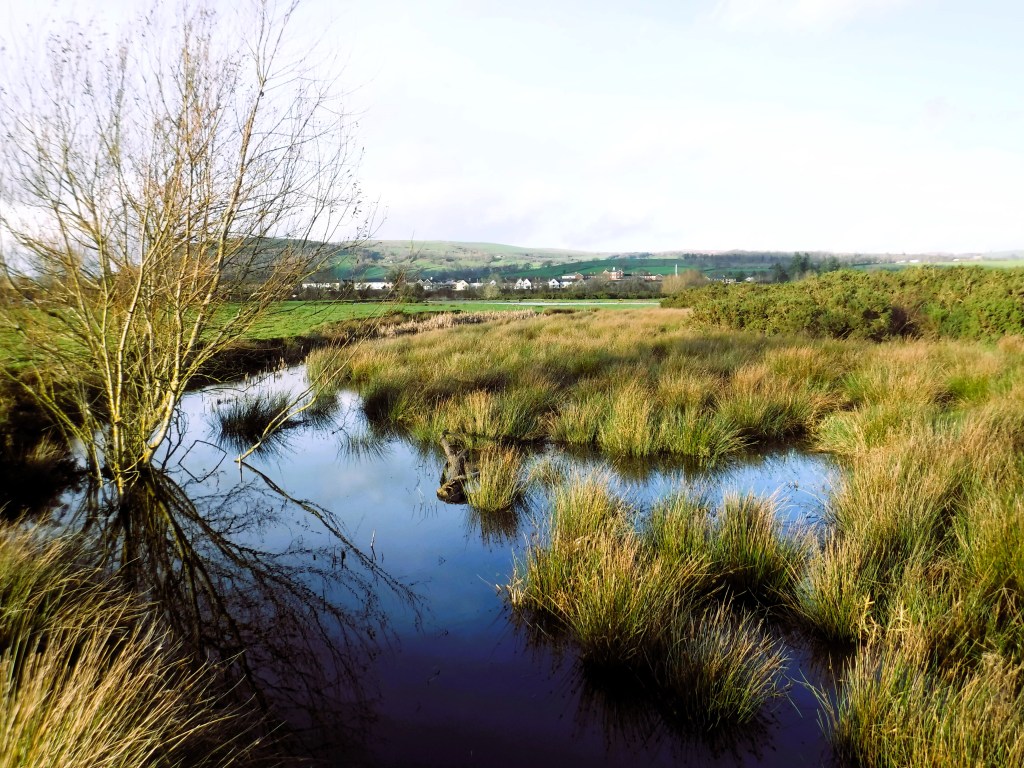

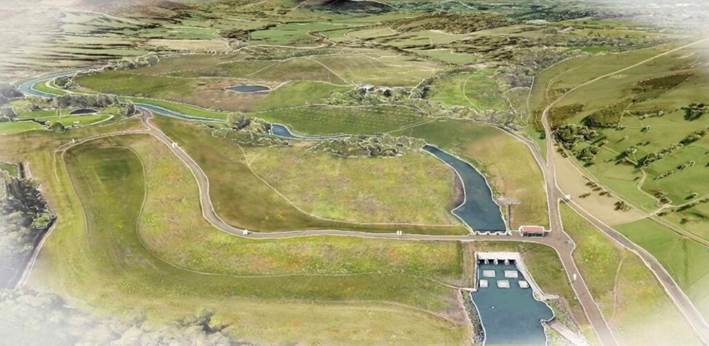
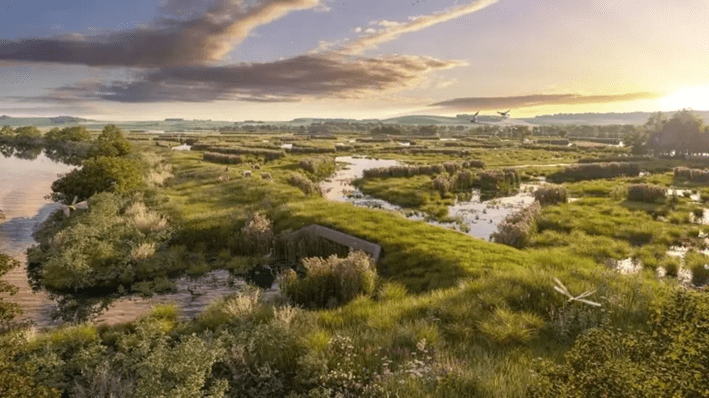



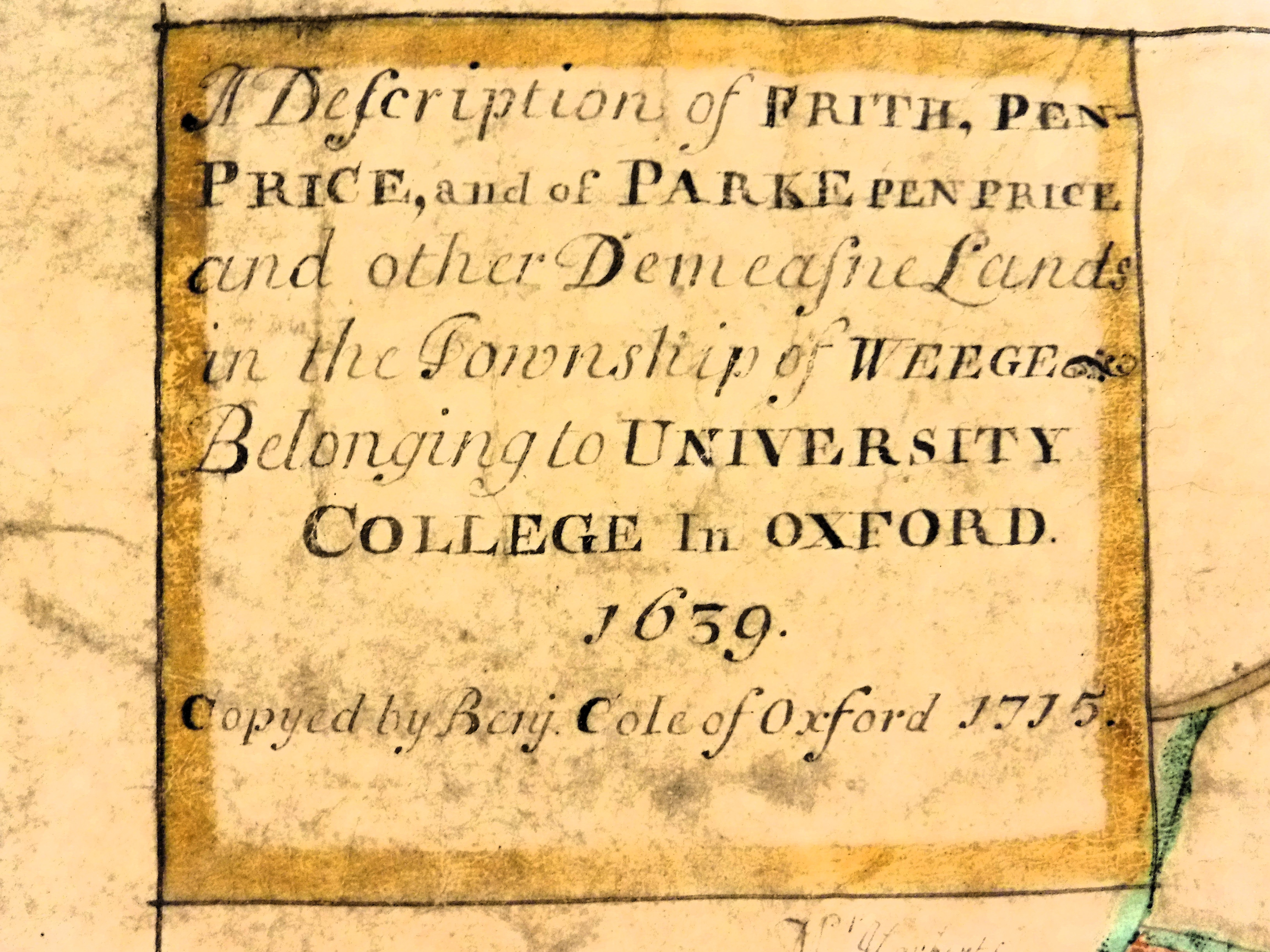
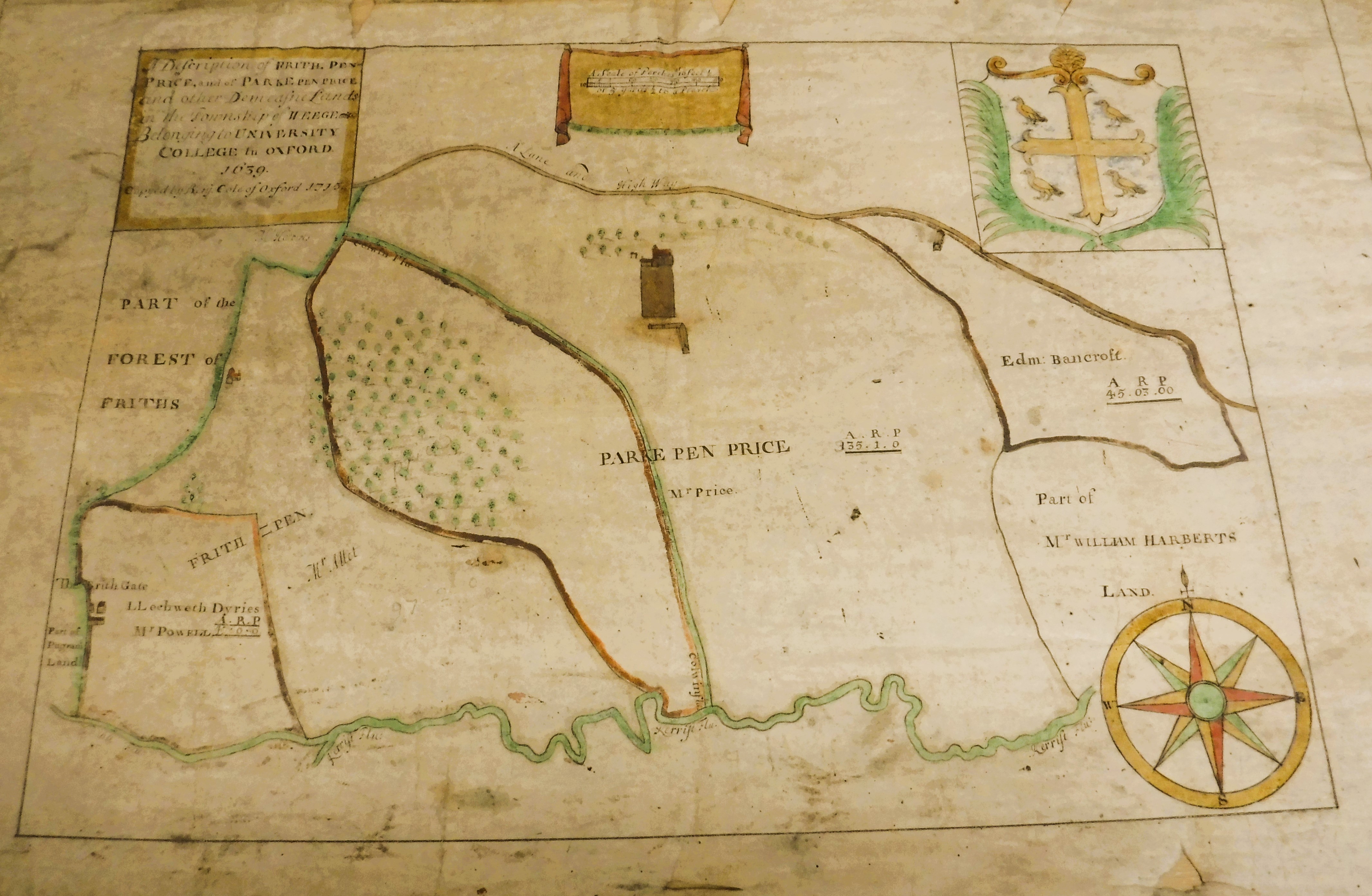
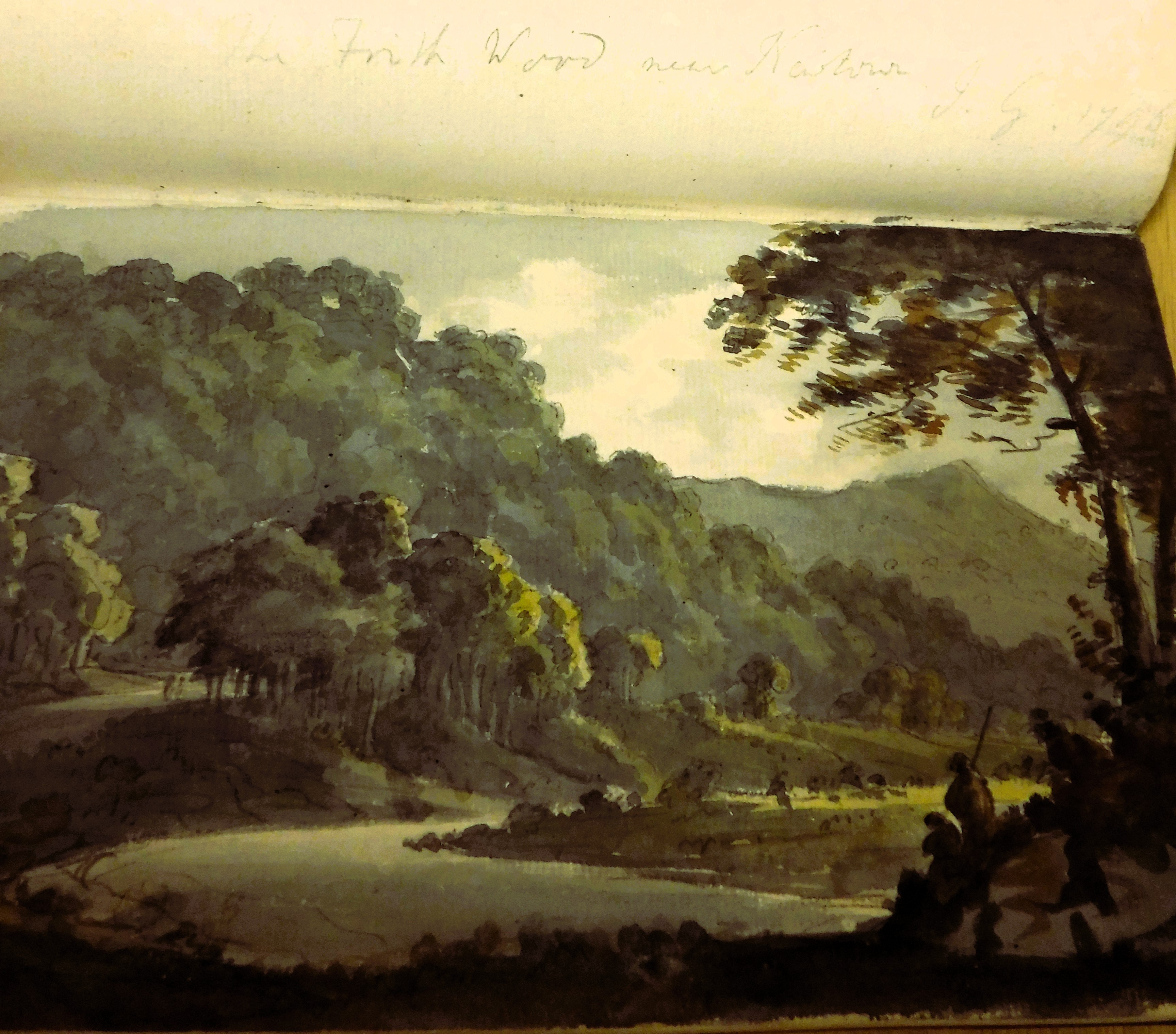
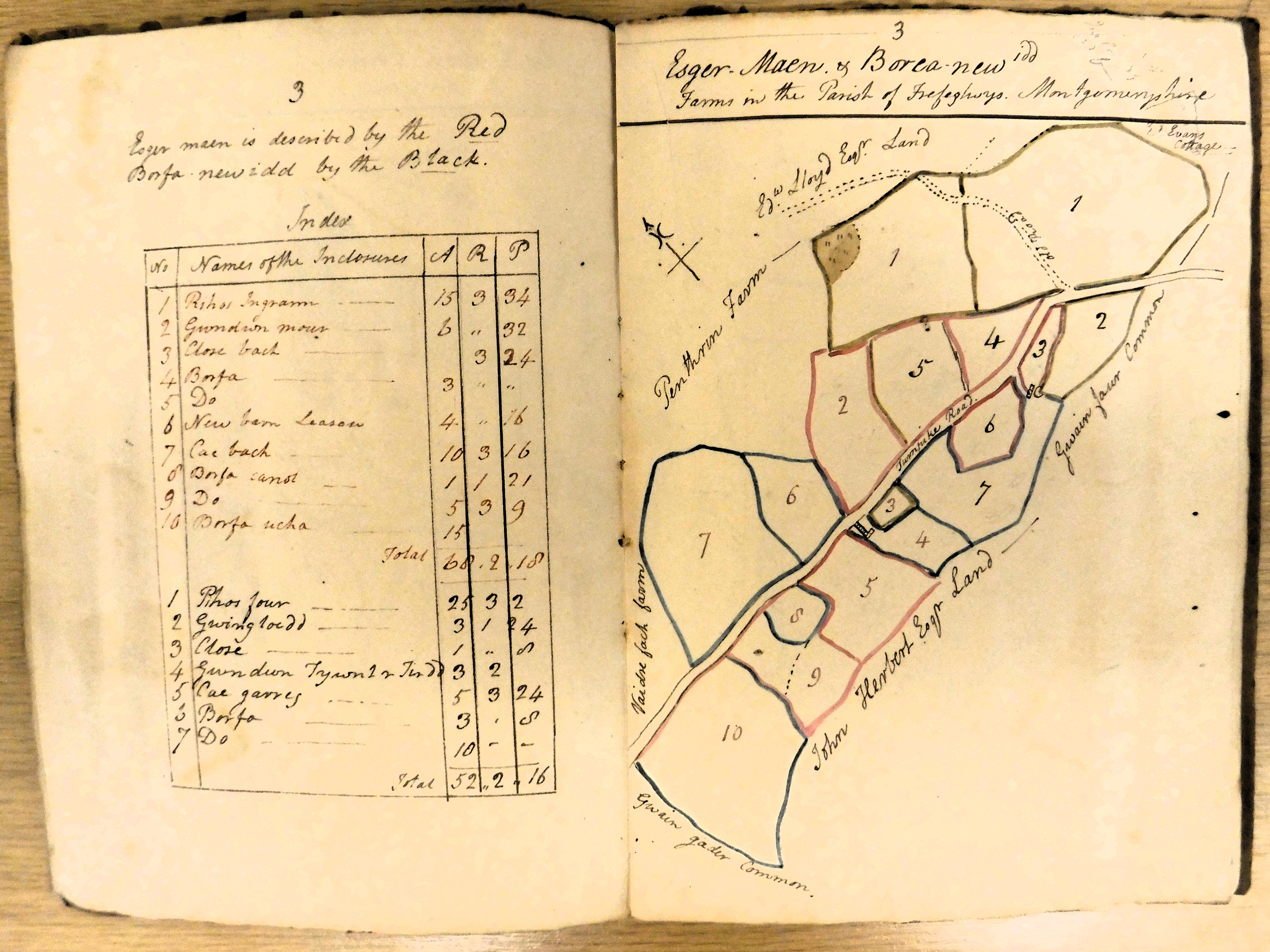
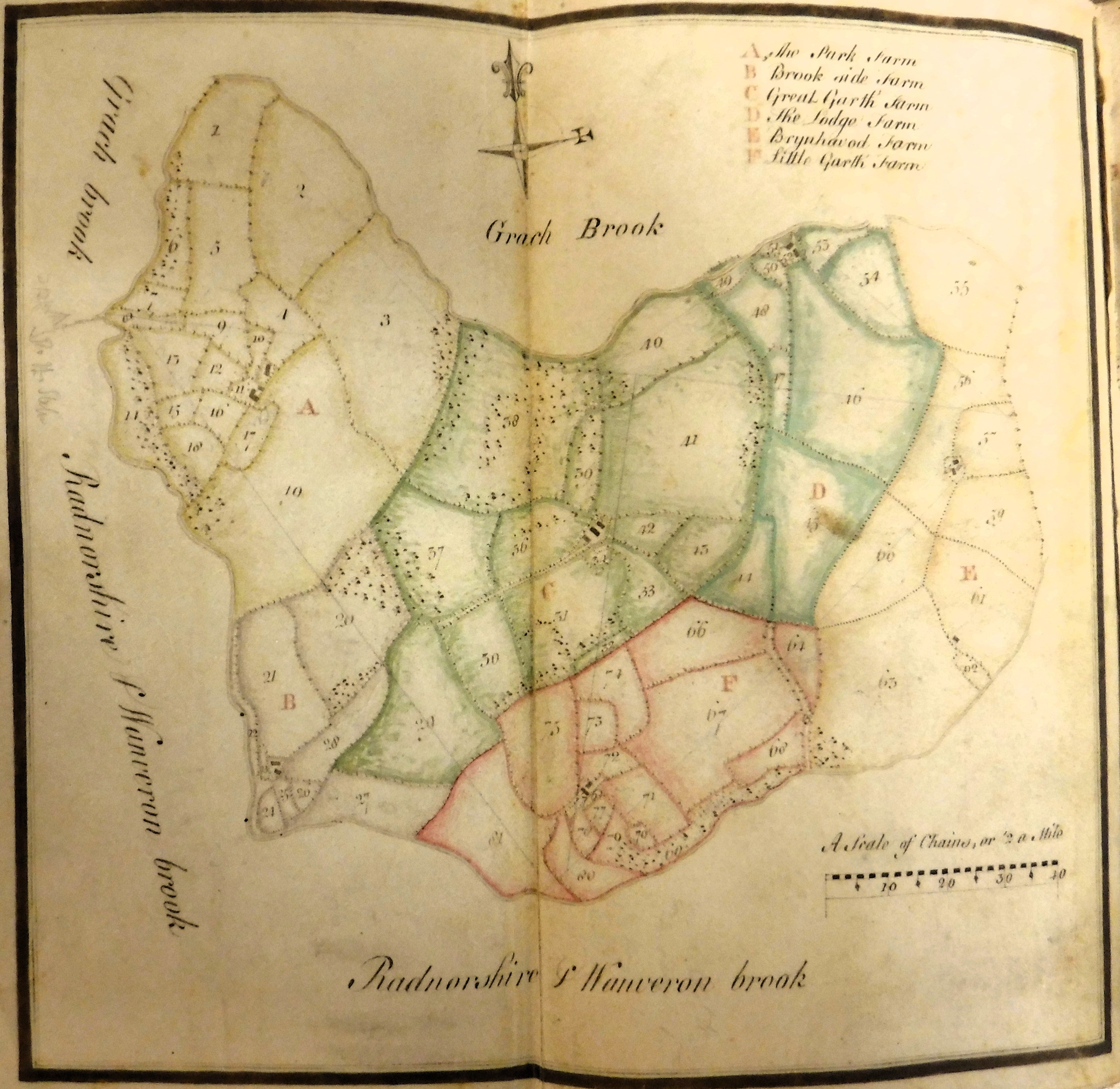
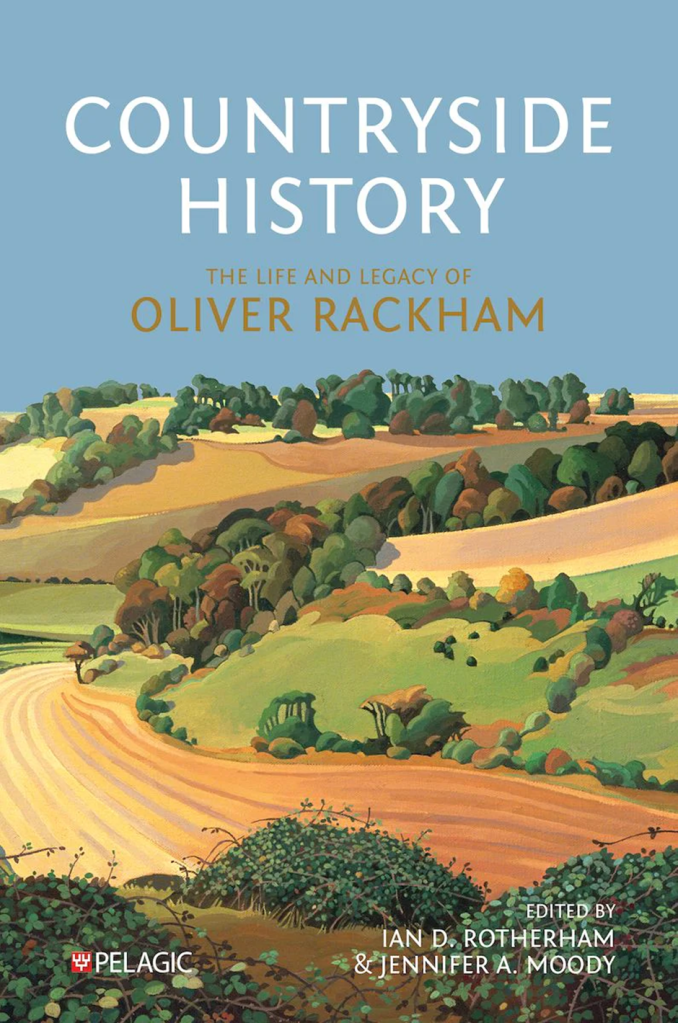
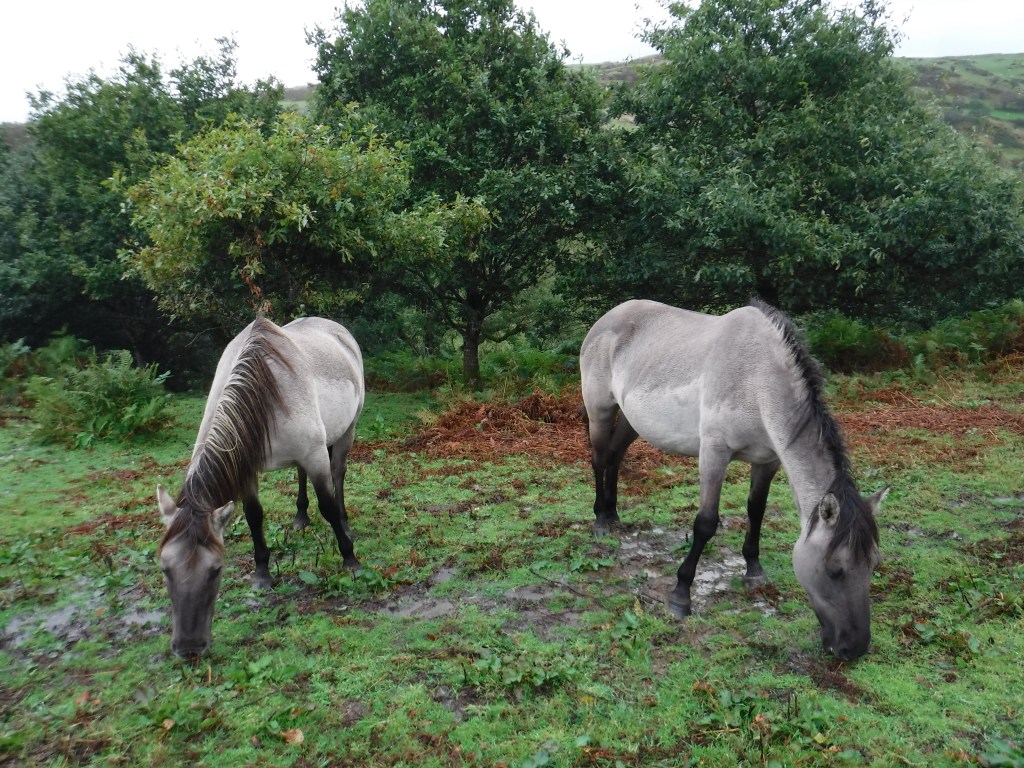
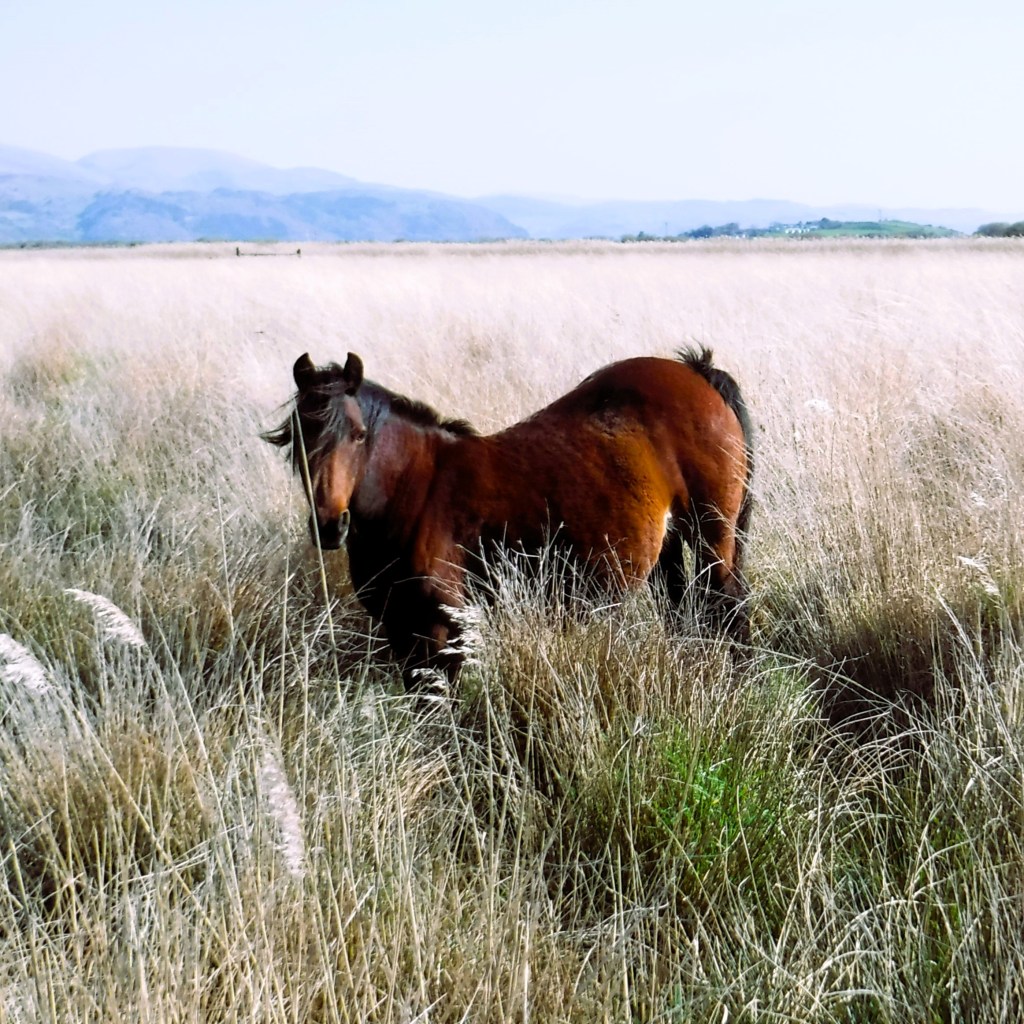
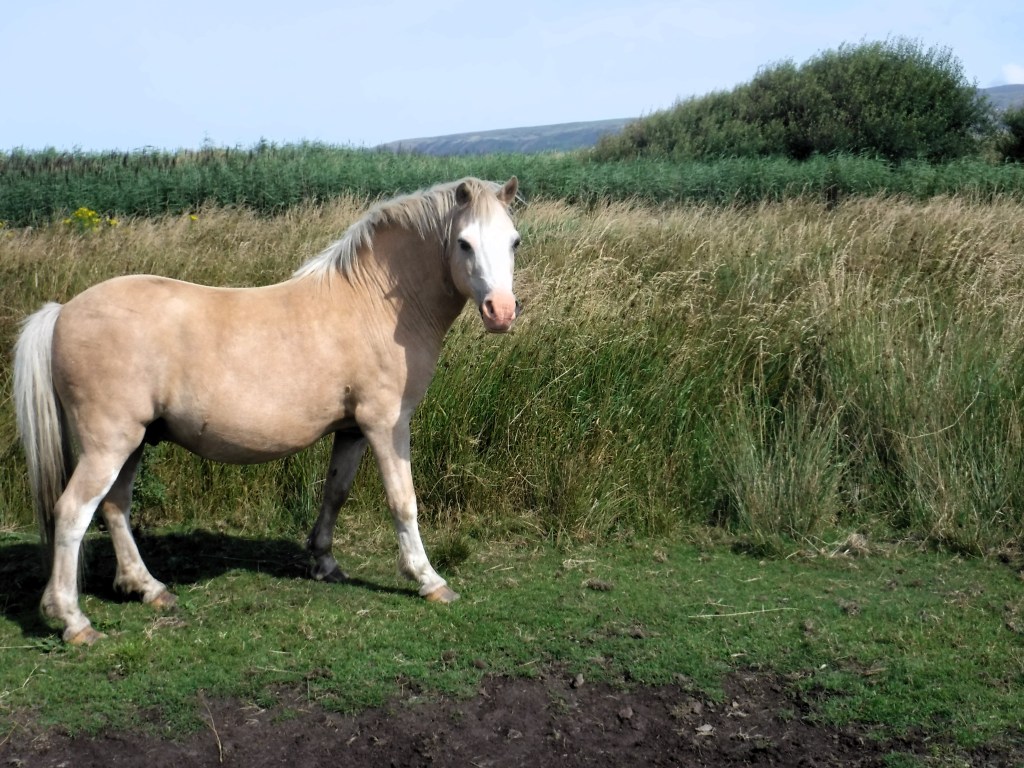
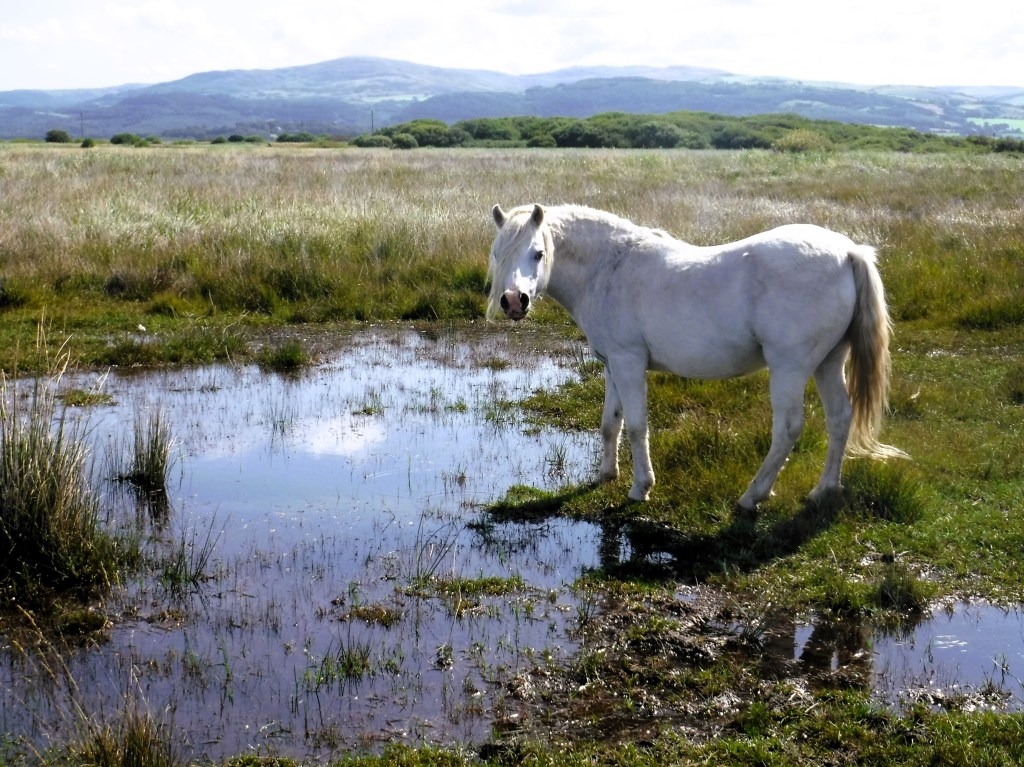
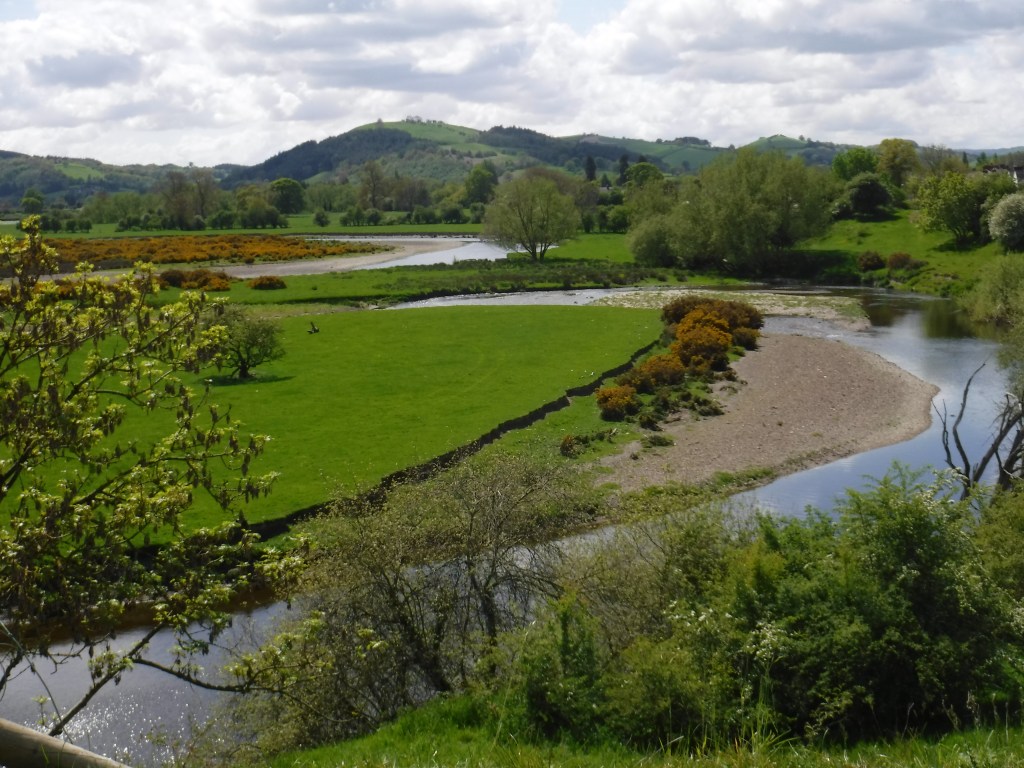

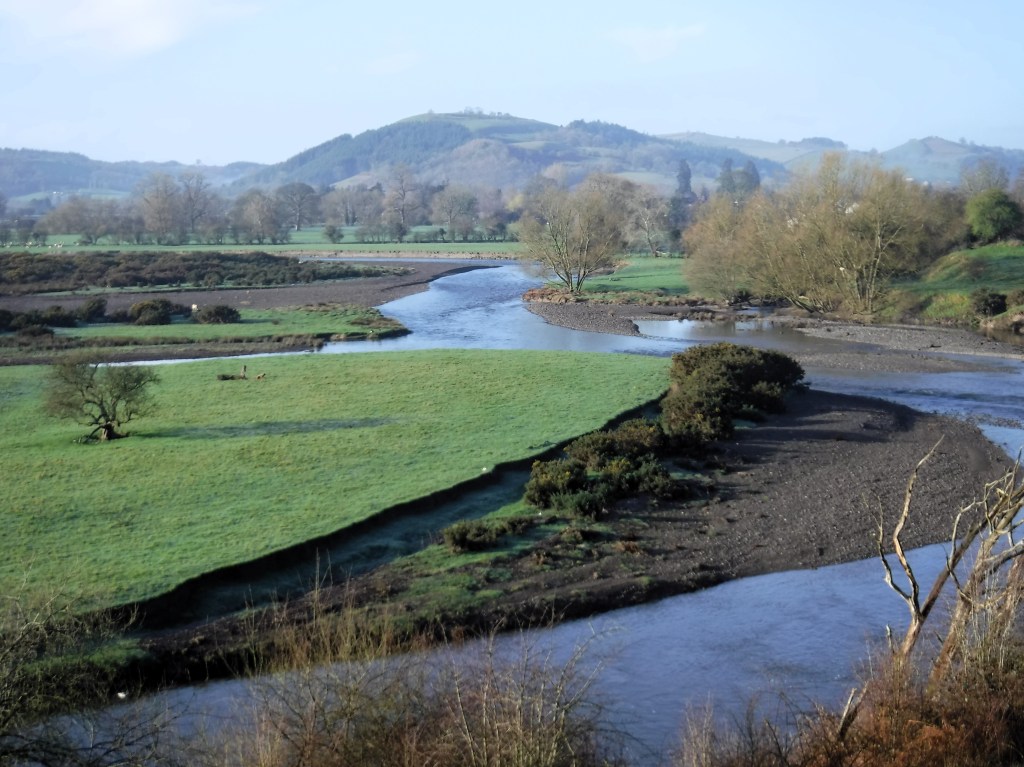
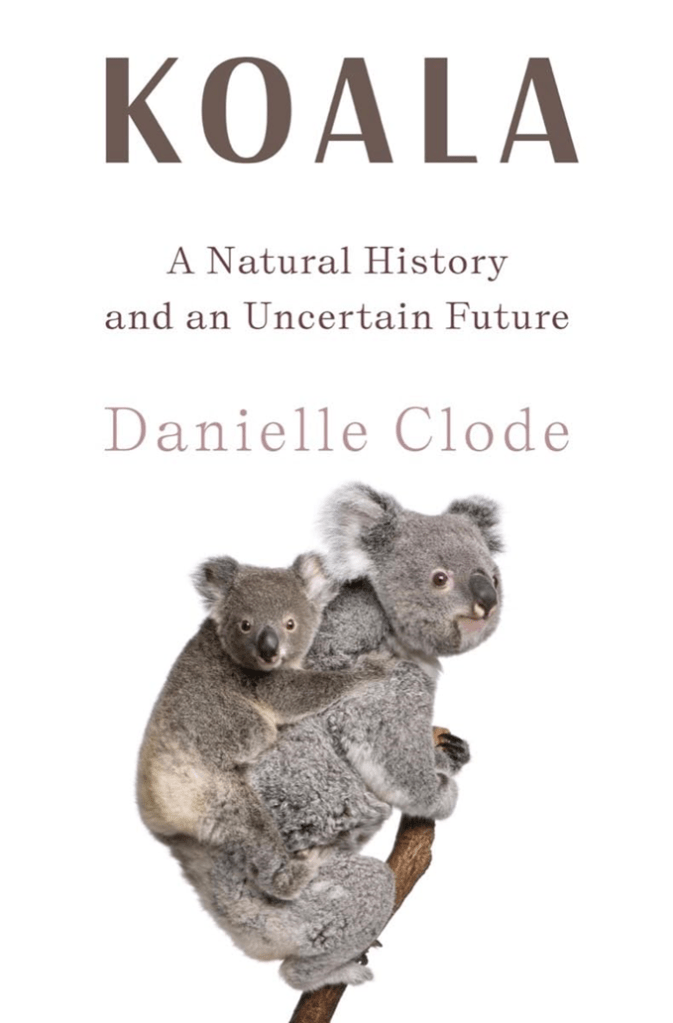
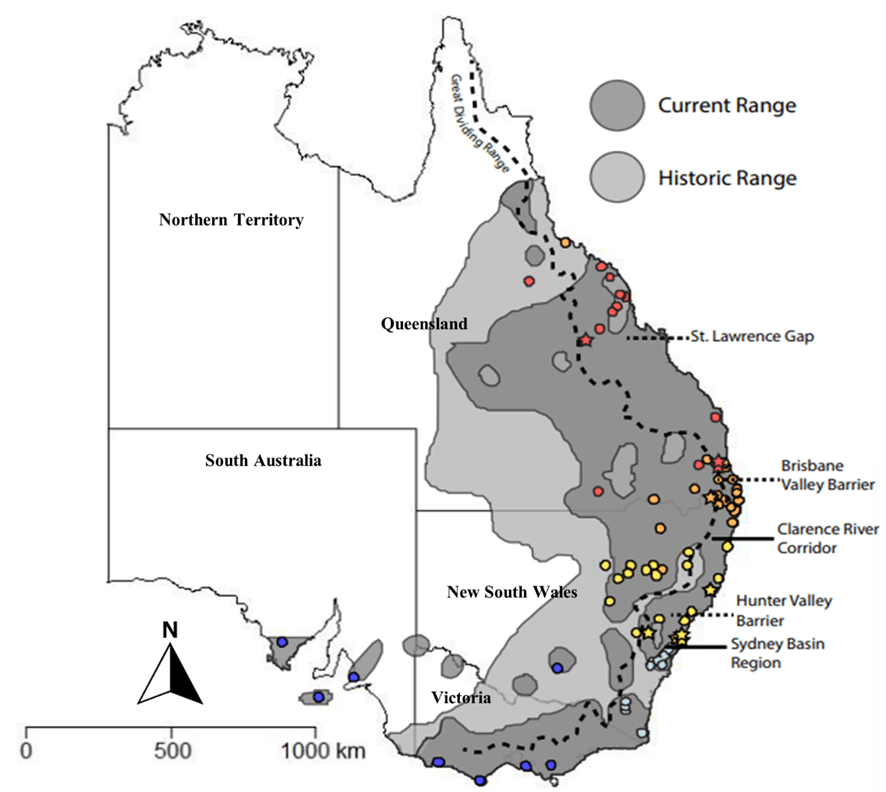
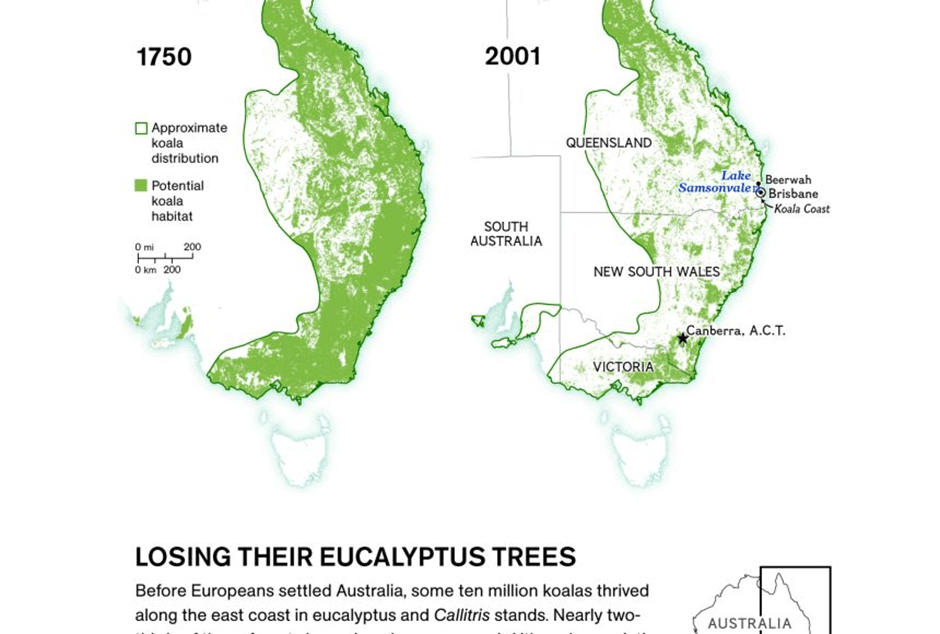
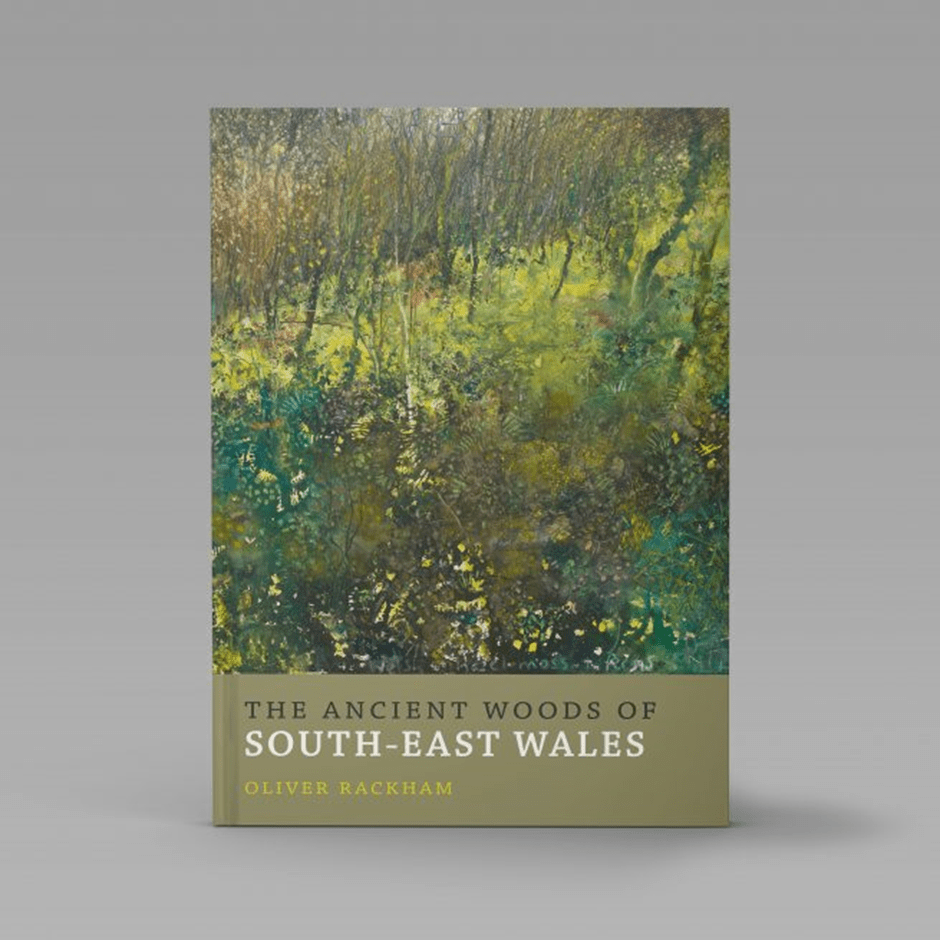
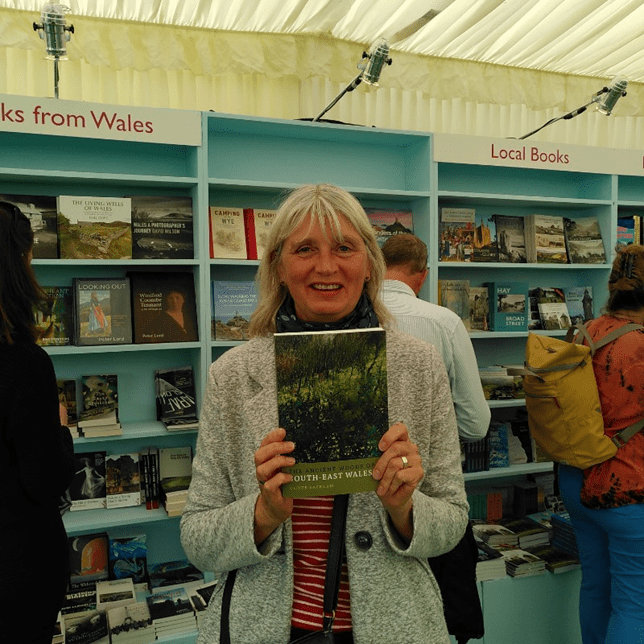
 SUISIUM