
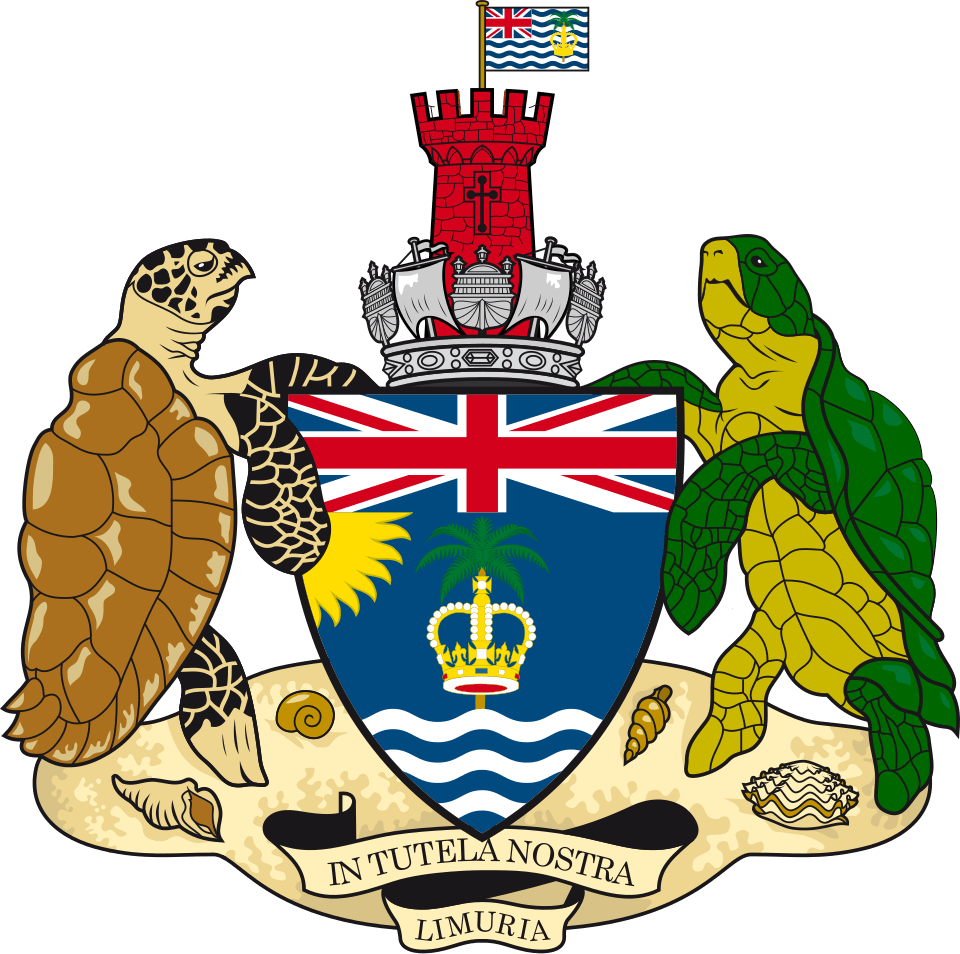
Between 2022-2023, I curated and wrote a series of articles entitled Conflict, Post-Colonialism and Conservation for the online journal ECOS whose conclusion touched upon the historical and ongoing controversy surrounding the British Indian Ocean Territory, more widely known as the Chagos Archipelago. Following election of a Labour government in 2024, plans were announced to transfer sovereignty of the Chagos Islands, including one of the world’s largest Marine Protected Areas, to Mauritius. This arrangement was previously supported by the United States government (Biden administration), notwithstanding the presence of a strategically important joint US-UK military base on the island of Diego Garcia. The former inhabitants of this and other Chagos Islands (known as Chagossians) were forcibly removed by the British government between 1968-73 to enable development of the military base. In the context of 20th century de-colonisation by Britain and other Western countries, together with the historical claim of Mauritius to the Chagos Archipelago, onging control of this by ‘colonial powers’ was and remained highly contentious.
To signal a new and progressive approach to foreign policy, the Starmer government – prematurely and ill-advisedly in the views of many UK and international experts on the complex issues raised – embarked upon the legislative process of ceding sovereignty of the Chagos to Mauritius through the Diego Garcia Military Base and British Indian Ocean Territory Bill This bill is currently stalled in the House of Lords, while controversy around the future of the Chagos Islands and Marine Protected Area continues to grow. Some objections to the proposed UK/Mauritius Treaty are summarised by Powys-resident William Hague (Baron Hague of Richmond) in a recent Times article as follows:
- “First, it is a poor deal for UK taxpayers, negotiated on the assumption there was no alternative, with costs running to billions over time.
- Second, it ignores the wishes of the Chagossians, the people Britain removed from their homes, and who overwhelmingly oppose the treaty in the UK.
- Third, the diplomatic calculus has shifted again, and the agreement still lacks the necessary US political backing in practice”.
While interventions by US president Donald Trump in the Chagos controversy have been highly publicised, key environmental objections to the proposed treaty have received rather less coverage. However, another recent article by Oxford University Law Professor Richard Ekins in The Critic provides a helpful summary of the proposed UK/Mauritius Treaty’s shortcomings for the future of the Marine Protected Area based on a research paper by British centre-right think tank Policy Exchange. Meanwhile, the increasingly complex UK political and geopolitical context surrounding the future of the archipelago poses a growing challenge for organisations, such as the Chagos Conservation Trust, and scientists involved in vital work to protect and restore its globally significant marine and terrestrial ecosystems. The Chagos controversy embodies the historical and contemporary intersectionality of geopolitics, natural resources and nature conservation. This has been usefully conceptualised as ‘conservation geopolitics‘ and it is a theme to which I very much hope to return in the future with critical perspectives on emerging forms of neo-colonialism, including the so-called ‘Donroe Doctrine’ as described in a further recent article on the Chatham House website.*
*https://www.chathamhouse.org/2026/01/trump-diego-garcia-and-donroe-doctrine-indian-ocean
 SUISIUM