
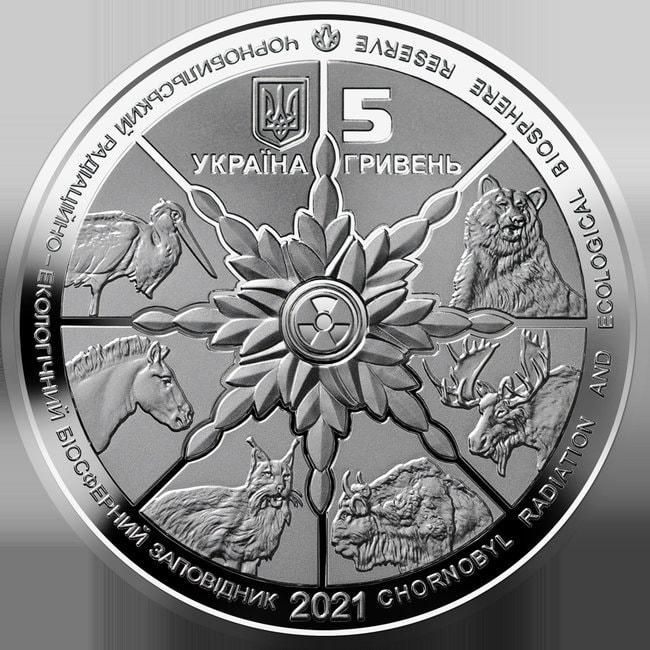
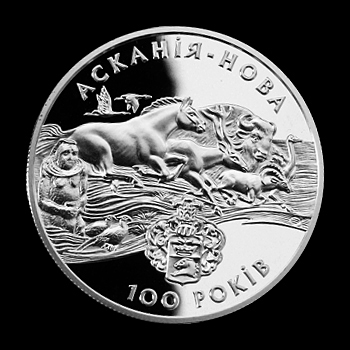
In October 2022, the nature conservation journal ECOS published a feature on nature and war in Ukraine which discussed the impact of conflict on areas including the Chernobyl Radiation and Ecological Biosphere Reserve as well as the Danube Delta region and Azov-Black Sea Corridor. During peacetime, commemorative coins for the Chernobyl and Askania-Nova biosphere reserves were issued to celebrate the country’s remarkable achievements in nature restoration. Sadly, Askania-Nova is currently on Kherson region’s Russian-occupied frontline.
Perhaps more than any other conflict, and partly because of the Chernobyl nuclear disaster, environmental impacts of war have been at the forefront of concerns within and outside Ukraine. So too is commitment from national and international non-government organisations to a future green peace and sustainable reconstruction. Amongst the greatest challenges will be how to fund recovery and proposals for a new Marshall Plan have come forward from both the United States and Europe, alongside UN support for Russia to make reparations, possibly from frozen foreign currency reserves.
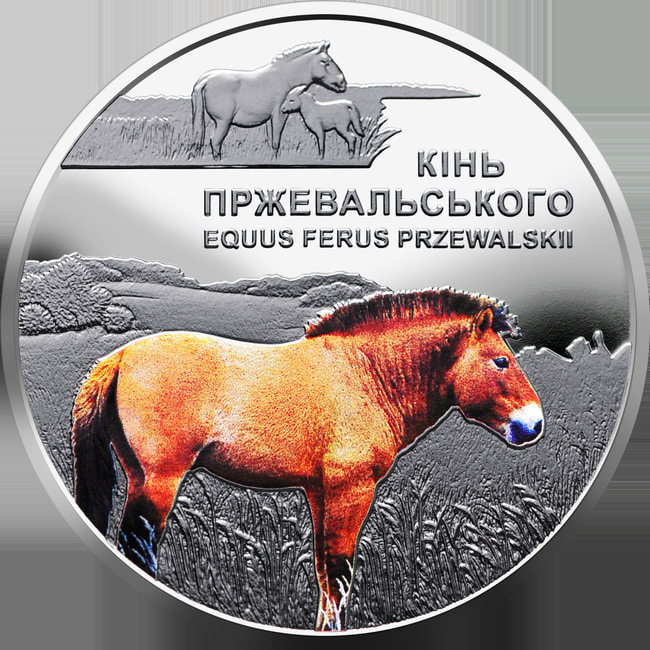
The Chernobyl coin (above Przewalski Horse is shown on reverse) was issued by the National Bank of Ukraine which has a special account to raise funds for the country’s armed forces. Notwithstanding temporary Russian occupation, Askania-Nova has managed to obtain donations from charitable organisations and individuals via social media and remains a Ukrainian institution,
 SUISIUM